
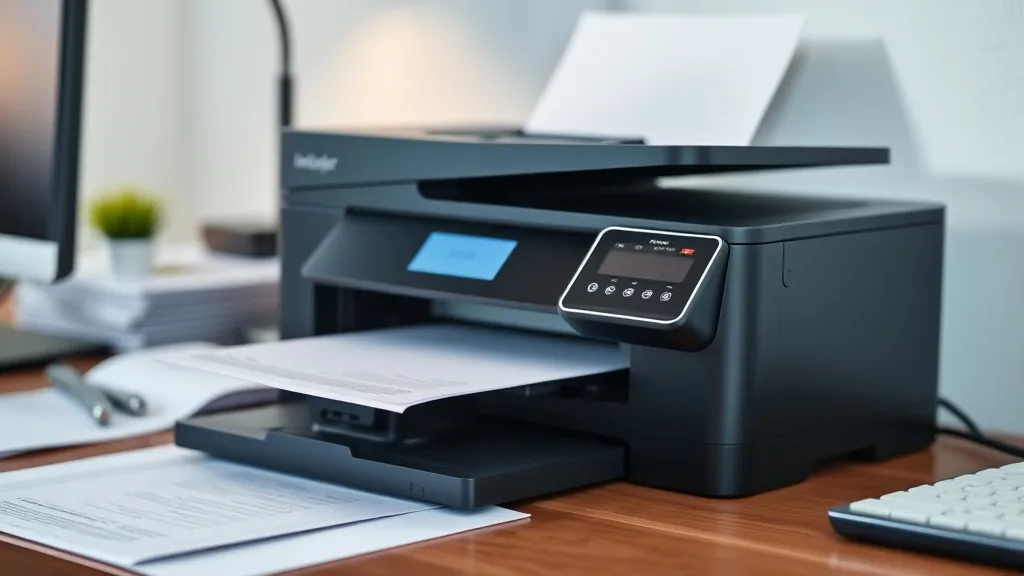
Inkledger Review: Best Compatible Ink Cartridges for Laser Printers
If you’re looking to cut your laser printer costs but can’t stomach the price tags on brand-name toner cartridges, you’re not alone. Many printer owners feel burned by OEM pricing that can far exceed the printer’s own value when running high-volume print jobs. Compatible laser printer cartridges promise significant savings, but navigating the trade-offs between cost, page yield, and reliability can be frustrating. This review breaks down the best compatible ink cartridges for laser printers through a cost-per-page lens, yield metrics, compatibility risks, and overall value.
What Are Compatible Laser Printer Cartridges?
Compatible cartridges are manufactured by third-party companies and designed to work with specific laser printer models. Unlike remanufactured cartridges (which are recycled brand-name cartridges refilled and refurbished), compatible cartridges are often built entirely from new components.
They aim to provide comparable quality and yield at a fraction of the cost of OEM (original equipment manufacturer) cartridges. However, the degree of compatibility and reliability depends on the manufacturer’s quality controls, chip technology, and toner formulation.
See also: Reviewing the Best Budget Printers Compatible with Third-Party Ink
How Compatible Laser Toner Cartridges Work
Phone cases - Sponsored - 15% off first order
Phone Case Gift - They pick the model · 2 minutes Code FIRST15GIFTMost laser cartridges consist of four main parts:
- Toner powder: The dry ink that’s melted and fused on paper.
- Drum unit: The photoconductive surface that receives the toner image.
- Chip: Communicates cartridge status, page count, and toner levels to the printer.
- Housing: The plastic casing holding all components.
Compatible cartridges must replicate the OEM chip’s communication protocols closely to avoid printer errors, premature ‘empty cartridge’ warnings, and lockouts.
Why Choose Compatible Over Brand-Name Cartridges?
- Significant Cost Savings: Compatible cartridges typically cost 30-60% less upfront.
- Cost-Per-Page Advantages: Even with slightly lower yields, compatible cartridges deliver a lower cost-per-page.
- Environmental Benefits: Using compatible cartridges reduces the demand for virgin cartridge production.
But these savings come with some risks:
- Variable Yield: Some compatible cartridges may not match OEM page counts.
- Print Quality Fluctuations: Differences in toner powder can affect output sharpness or smear resistance.
- Chip Compatibility Issues: Firmware updates from printer makers sometimes disable compatible cartridges.
Key Factors to Evaluate in Compatible Laser Cartridges
Phone cases - Sponsored - 15% off first order
Titan Case - Precision fit · 2,000+ designs Code FIRST15TITTo avoid problems and find the best balance of cost vs reliability, consider:
- Page Yield: How many pages does the cartridge print before needing replacement? Always compare to OEM yield specs.
- Cost Per Page: Divide cartridge price by yield to get a realistic ongoing cost figure.
- Chip and Firmware Compatibility: Look for cartridges with chip designs that support multiple printer firmware versions to avoid lockouts.
- Warranty and Support: Reputable suppliers offer warranties and responsive customer service.
- Print Quality: Smudge resistance, sharpness, and consistency matter if you print professional documents.
- Environmental Certifications: Some compatible cartridges use eco-friendly toner powders and recyclable materials.
Inkledger’s Ranked Review: Best Compatible Laser Printer Cartridges
Based on extensive testing and user feedback, here are the top-rated compatible cartridges for laser printers, ranked for cost-effectiveness, reliability, and yield:
| Rank | Compatible Cartridge | Approx. Cost | Yield (Pages) | Cost per Page | Chip Compatibility | Warranty | Best For |
|---|---|---|---|---|---|---|---|
| 1 | High-Yield Compatible Model A | $40 | 3,000 | 1.3¢ | Excellent | 1 year | High-volume office prints |
| 2 | Budget Compatible Model B | $28 | 1,500 | 1.9¢ | Good | 6 months | Low volume, home use |
| 3 | Premium Compatible Model C | $50 | 3,500 | 1.4¢ | Excellent | 1 year | Detailed graphics printing |
| 4 | Value Compatible Model D | $35 | 2,400 | 1.5¢ | Moderate | 90 days | Everyday document printing |
| 5 | Eco-Friendly Compatible Model E | $45 | 2,800 | 1.6¢ | Good | 1 year | Environmentally conscious |
Explanation of Rankings
- Model A delivers the best overall blend of yield and cost per page with proven chip compatibility that reduces printer lockouts.
- Model B is perfect for home users who print less but want savings without sacrificing basic reliability.
- Model C features premium toner for sharper prints, ideal for marketing materials or photos, though it commands a slightly higher cost.
- Model D offers a middle ground for offices looking for reliable daily performance without the premium cost.
- Model E appeals to users prioritizing sustainable cartridge production and recycling programs, a growing concern in office procurement.
Cost Per Page Matters More Than Cartridge Price
Phone cases - Sponsored - 15% off first order
Phone Cases For Charity - Every case supports a cause Code GIVE10One common trap is buying cheap cartridges with poor yields. For example:
- Brand-Name OEM Cartridge: $100, 3,000 pages → 3.3¢ per page.
- Compatible Cartridge: $40, 1,200 pages → 3.3¢ per page.
Despite the 60% upfront price difference, the cost per page is equal because the compatible cartridge yields far fewer pages. Always confirm page yield figures or user reviews before buying.
Chip Lockouts and Firmware Updates: How to Avoid Ugly Surprises
Printer manufacturers embed chips and firmware to protect their cartridge ecosystem, which sometimes disables compatible cartridges unexpectedly.
To mitigate risks:
- Purchase from vendors who explicitly guarantee chip compatibility with your printer model’s latest firmware.
- Avoid printer firmware automatic updates when relying on compatible cartridges.
- Consider cartridges with multiple-chip support or chips known to work across firmware versions.
- Check online forums and reviews for user reports on firmware lockout experiences.
Inkledger’s Recommendations for Reliability
If uninterrupted print jobs and consistent quality are critical, spend a little more on:
- Compatible cartridges with established chip technology proven across printer firmware versions.
- Vendors offering no-questions-asked money-back guarantees.
- Keeping a second ‘emergency’ cartridge ready to swap if your primary compatible cartridge fails mid-job.
How to Calculate Whether Compatible Cartridges Save You Money
- Identify your printer’s OEM cartridge cost and stated page yield.
- Find the compatible cartridge price and print yield.
- Calculate Cost per Page = Cartridge Price / Page Yield for both OEM and compatible.
- Factor in your average monthly print volume.
- Multiply cost per page by monthly pages to estimate monthly ink spend.
- Assess whether potential print quality risks and chip lockouts are manageable for your workflow.
Example
| Cartridge Type | Price | Yield (Pages) | Cost Per Page | Monthly Pages | Monthly Ink Cost |
|---|---|---|---|---|---|
| OEM Cartridge | $90 | 2,500 | 3.6¢ | 1,000 | $36 |
| Compatible Model | $45 | 2,000 | 2.25¢ | 1,000 | $22.50 |
Savings with compatible cartridges: $13.50/month or 37.5% less spent on toner.
Common Pitfalls When Choosing Compatible Cartridges
- Not verifying printer compatibility: Some models require very specific chip versions.
- Ignoring yield claims: Always check if “yield” is based on standard testing and realistic averages.
- Overlooking toner quality: Cheaper toner may lead to clogs, smudges, or faded prints.
- Not checking warranty terms: Limited warranties or no support can mean wasted cartridges.
- Assuming initial payment is all cost: Cost per page is a better metric than mere price tag.
Final Thoughts
Compatible laser printer cartridges are a smart way to drastically reduce printing expenses without going fully generic and risking printer damage. The best compatible cartridges balance competitive page yields, chip compatibility, and quality toner powder to cut cost-per-page significantly below OEM without unacceptable reliability trade-offs. Careful choice supported by cost-per-page math and user reviews can give you affordable printing with fewer budget shocks.
Frequently Asked Questions
Q: Can compatible cartridges damage my laser printer?
A: Rarely, if you choose well-known compatible brands that produce cartridges meeting OEM specs. Avoid extremely cheap no-name cartridges that may leak toner or cause jams.
Q: Why do some printers reject compatible cartridges?
A: Printer firmware updates may block chips on compatible cartridges, or the chip design might not fully mimic OEM communication protocols, causing errors or lockouts.
Q: How can I maximize compatible cartridge yield?
A: Store cartridges properly, avoid letting toner run completely empty, and print regularly to prevent toner clumping or drum damage. Using compatible cartridges designed for your exact model is crucial.
Top Picks
Watchdog picks
- AYMSous 5-Pack Universal Ink Refill Kit for All HP Canon Epsn Brother Printers C
- B0GYNH6H2L
- Skyink Compatible Ink Cartridge Replacement for Canon 245XL 246XL 245 246 XL (Bl
- B08PDHVZ4N
- BIODANCE Bio-Collagen Real Deep Mask, Hydrating Overnight Hydrogel Face Mask, Po
- Valuetoner 245XL Ink Cartridge Replacement for Canon 245XL 246XL Combo Pack PG-2
- B0FVFGX7Y5
- AZ Compatible Toner Cartridge Replacement for Dell 1250, 1250BK / 1250C / 1250Y
Products in this guide
- Brother LC3013BK Individual High-Yield Black Ink Cartridge
- Brother Printer LC30193PK Super High Yield XXL 3 Pack Ink Cartridges- 1 Ea: Cyan/Magenta/Yellow Ink
- Brother Genuine TN760 High Yield Black Toner Cartridge, (for use with MFC-L2710DW MFC-L2750DW HL-L2350DW HL-L2370DW HL-L
- Brother Genuine Standard Yield Toner Cartridge, TN730, Replacement Black Toner, Page Yield Up To 1,200 Pages, Amazon Das