
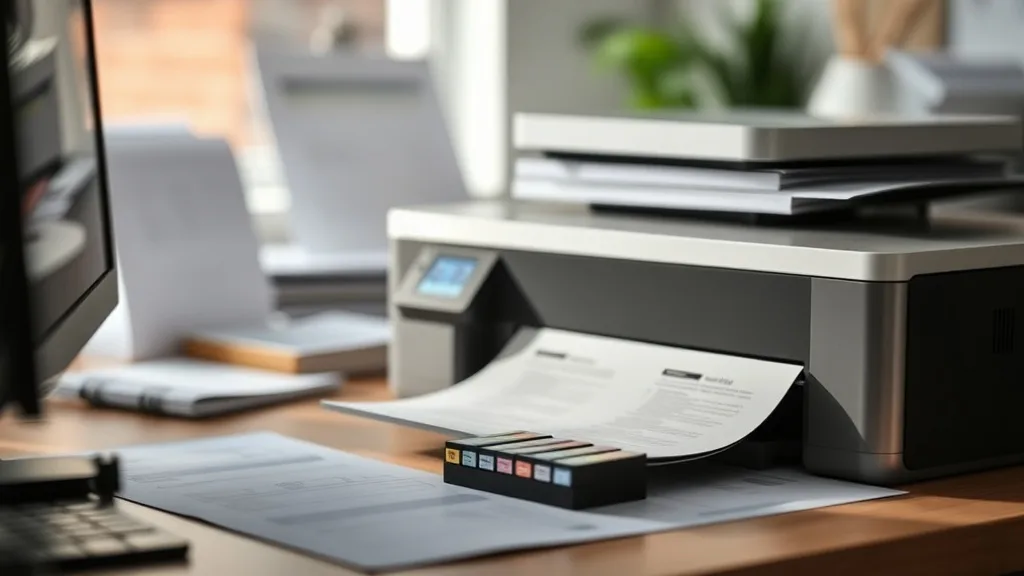
Compatible ink cartridges have become the go-to alternative for printer owners tired of paying excessive prices for brand-name cartridges. The problem many face is sifting through countless options—many of which promise savings but fall short in yield, print quality, or reliability. Understanding the top features to look for in compatible cartridges helps you avoid wasted money, frustration, and unexpected printer errors.
What Are Compatible Ink Cartridges?
Compatible ink cartridges are third-party replacements designed to work with your existing printer model. Unlike remanufactured cartridges, which reuse OEM shells, compatible cartridges are often made from new materials but still manufactured outside of the original printer brand’s ecosystem. They typically cost 30-70% less than brand-name cartridges and offer similar yields, but the catch is variability in quality across manufacturers.
See also: Inkledger’s Approach to Maintaining Print Consistency with Refilled Ink
Why Choosing the Right Compatible Cartridge Matters
Phone cases - Sponsored - 15% off first order
Phone Case Gift - They pick the model · 2 minutes Code FIRST15GIFTThe initial temptation to pick the cheapest option can backfire if the cartridge yields fewer pages, produces blurred prints, or triggers chip lockouts that your printer uses to verify authenticity. Focusing on core attributes like cost-per-page, yield, chip compatibility, and print stability can save you more money and hassle in the long run.
Top Features to Look For in Compatible Ink Cartridges
1. Accurate Yield That Matches OEM Standards
Page yield—the number of pages printed before cartridge replacement—is arguably the most important factor for measuring cartridge value. Cheaper cartridges often deliver fewer pages than promised, inflating your cost per page.
Look for vendors who provide independent yield verification (ISO/IEC standards). Also, be wary if the yield is described ambiguously. Some compatible cartridges have more ink but lower quality, leading to wasted prints.
2. Genuine or Program-Certified Microchips
Printer manufacturers embed chips into cartridges to facilitate communication and enforce authentication checks. Compatible cartridges that come with high-quality chips can bypass these restrictions more reliably.
Low-quality or outdated chips may cause your printer to display false low-ink warnings or refusal to print. Compatibility with the latest printer firmware updates is crucial for a smooth experience.
3. Rich, Consistent Print Quality
Ink formulation affects print sharpness, color vibrancy, drying time, and smudge resistance. Inferior inks may save money upfront but lead to blurred text, color shifts, or damaging the printer heads.
Opt for cartridges that specify pigment-based inks over dye-based inks for better water resistance and longevity, especially for documents intended for archival use.
4. Leak and Smudge Resistance Packaging
Quality compatible cartridges should have robust seals and protective packaging to prevent ink leaks during transit or installation. Leaking cartridges not only waste ink but risk damaging the printer mechanism.
Cartridges with terminal protections like anti-leak valves and integrated spill guards mean fewer headaches and lower chances of printer repair costs.
5. Transparent Seller Reputation and Warranty
A credible seller offering warranties or satisfaction guarantees validates their product’s reliability. Long warranty terms demonstrate confidence in yield and functionality, reducing your financial risk.
Reliability reviews and consistent positive user feedback are excellent indicators to vet before purchase.
6. Clear Compatibility Listings and Firmware Support
Fully compatible cartridges list the printer models and driver versions they support. Since printer manufacturers release periodic firmware updates that can block third-party cartridges, ensure your vendor confirms compatibility with yours.
Without this, you may encounter error messages or even permanent printer blockades.
Feature Comparison Table: Compatible vs Brand-Name Ink Cartridges
Phone cases - Sponsored - 15% off first order
Titan Case - Precision fit · 2,000+ designs Code FIRST15TIT| Feature | Brand-Name Cartridge | Compatible Cartridge | Notes |
|---|---|---|---|
| Cost per Page | High (premium pricing) | Low to moderate | Compatible cartridges usually deliver 30-70% savings but need yield verification |
| Page Yield | Guaranteed by manufacturer | Varies by vendor and batch | Prioritize vendors offering ISO yield certifications |
| Print Quality | Consistent and optimized | Can match OEM, but ranges widely | Pigment-based inks in compatibles produce better archival prints |
| Chip Compatibility | Flawless with all printer updates | Depends on quality of chip and firmware updates | Look for program-certified chips and frequent updates support |
| Warranty & Support | Manufacturer-backed (limited) | Varies greatly; often 6-12 months | Choose sellers with clear warranty policies and hassle-free returns |
| Risk of Cartridge Lockout | None | Moderate to high without good chip support | Printer firmware updates often target third-party chips |
| Packaging Quality | OEM-tight seals and protections | Varies; quality packaging reduces leaks | Look for anti-leak features and secure seals |
When to Use Compatible Ink Cartridges
Compatible cartridges make sense if:
- You print regularly and want to substantially reduce ink costs.
- Your printer model is older or no longer supported fully by the OEM.
- You buy from a reputable third-party seller with verifiable quality.
- You don’t need perfectly matched brand fidelity, but expect consistent results.
- You are willing to troubleshoot minor cartridge recognition or error issues.
Avoid compatibles if:
- You print critical, high-quality photos or professional graphics needing OEM-grade color profiles.
- Your printer firmware is frequently updated and blocks unofficial cartridges.
- You want zero risk of voiding printer warranty or hardware damage.
Common Pitfalls to Avoid
Phone cases - Sponsored - 15% off first order
Phone Cases For Charity - Every case supports a cause Code GIVE10- Buying solely on lowest upfront price: A cheap cartridge with 50% of OEM yield costs more per page.
- Ignoring chip version details: Older chips may no longer work after printer firmware upgrades.
- Overlooking seller refund policies: Without warranties, faulty cartridges mean wasted money.
- Not checking printer compatibility: Ensure your model and firmware version is explicitly supported.
- Ignoring print samples or user reviews: Real-world feedback is invaluable for assessing quality.
Frequently Asked Questions
Q: How can I calculate the true cost per page for ink cartridges?
A: Divide the cartridge’s purchase price by its rated yield (pages). For example, a $20 cartridge yielding 400 pages has a cost per page of $0.05.
Q: Are all compatible cartridges safe for my printer?
A: Not necessarily. Only choose cartridges certified by sellers with clear compatibility assurances and good warranty support. Poor-quality compatibles can cause clogs or errors.
Q: Will using compatible cartridges void my printer warranty?
A: Typically, printer warranties don’t explicitly ban third-party cartridges, but OEM manufacturers may refuse warranty service if damage results directly from third-party ink use. Check your printer’s warranty terms to be sure.
Choosing the right compatible ink cartridge isn’t just about upfront savings; it requires a balance of cost, yield, compatibility, and reliability features to ensure you truly get value for your money and time. Armed with these insights, you can better navigate the market and avoid the pitfalls that so many printer owners face.
Top Picks
Watchdog picks
- Epson EcoTank ET-2400 Wireless Color All-in-One Cartridge-Free Supertank Printer
- Soldering Iron Kit, 60W Adjustable Temperature, Digital Multimeter, 5pcs Solderi
- B0G1N9SX2M
- B0D3XGJ6HW
- Brother Genuine TN730 3-Pack Standard Yield Black Toner Cartridge with Approxima
- HP 962 Cyan, Magenta, Yellow Ink Cartridges - Works with OfficeJet 9010, 9020 -
- Downy Fabric Softener Dryer Sheets, April Fresh, 120 Count
- AYMSous 5-Pack Universal Ink Refill Kit for All HP Canon Epsn Brother Printers C
Products in this guide
- HP DeskJet 2755 Wireless All-in-One Printer, Mobile Print, Scan & Copy, Instant Ink Ready, Works with Alexa (3XV17A)
- Remanufactured Replacement for Epson 702 Ink Cartridges for 702XL Ink cartridges Combo Pack Work with Printer Workforce
- Inkjet Refill Kit Pro — Compatible with HP, Canon, Epson, and Lexmark Cartridges
- Brother Printer LC30193PK Super High Yield XXL 3 Pack Ink Cartridges- 1 Ea: Cyan/Magenta/Yellow Ink