
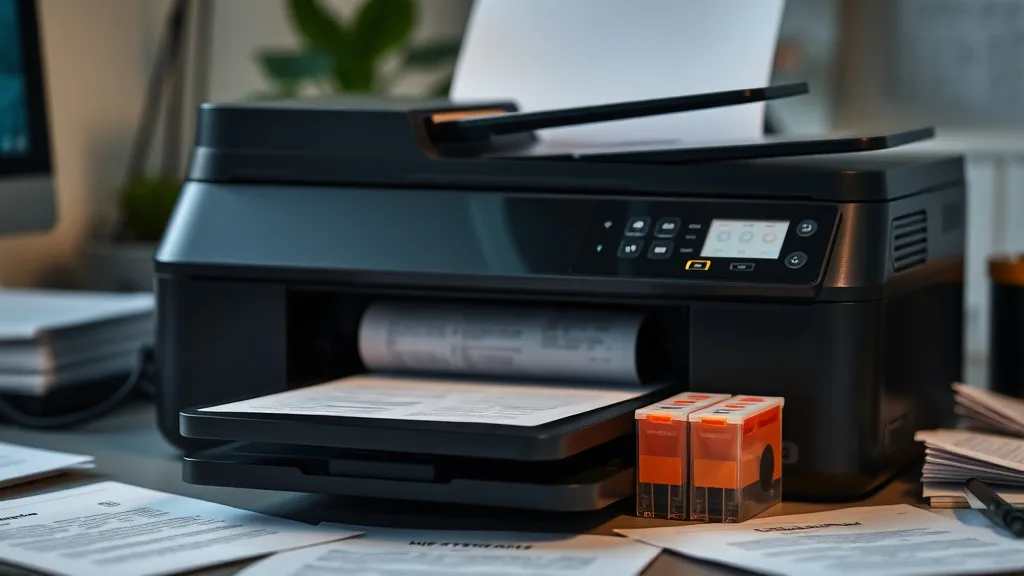
Many printer owners know the frustration of paying exorbitant prices for brand-name ink cartridges, but few realize how this affects the environment. The constant disposal of single-use cartridges creates significant plastic waste and environmental strain. If you’re seeking to reduce your printer-related ecological footprint while managing costs, understanding the environmental benefits of using refillable ink cartridges can offer a practical way forward.
What Are Refillable Ink Cartridges?
Refillable ink cartridges are printer cartridges designed to be used multiple times by refilling them with ink, either via self-service refill kits or through specialized refill stations. Unlike traditional single-use OEM (Original Equipment Manufacturer) cartridges, which are discarded after their ink is depleted, refillable cartridges extend the lifecycle of the cartridge components, minimizing waste.
There are two common types:
- Refillable OEM-style cartridges: These look like brand-name cartridges but are constructed for repeated refilling.
- Continuous Ink Supply Systems (CISS): More complex setups with large external ink tanks and tubes that feed the printer cartridge continuously.
This article focuses primarily on refillable OEM-style cartridges as a balance of environmental benefit and user accessibility.
See also: The Environmental Impact of Using Compatible Ink Cartridges
How Do Refillable Ink Cartridges Work?
Phone cases - Sponsored - 15% off first order
Phone Case Gift - They pick the model · 2 minutes Code FIRST15GIFTThe principle is straightforward: after a cartridge runs dry, instead of tossing it into the trash, you refill the cartridge with ink. This process involves purchasing ink bottles (compatible with your printer) and either manually injecting ink into the cartridge reservoir or using a refill station.
Steps typically include:
- Removing the empty cartridge from your printer.
- Cleaning or preparing the cartridge (to avoid clogs and ensure ink flow).
- Refilling the cartridge carefully to avoid spills and overfilling.
- Resetting or cleaning the printer chip (if needed) to ensure proper ink-level recognition.
- Reinstalling the cartridge and running test prints.
The key difference lies in cartridges built to be refillable: they have refill ports or can otherwise tolerate opening without damage. Many aftermarket refill kits provide detailed instructions and necessary tools, but generic cartridges should be handled more carefully.
The Environmental Benefits
1. Significant Reduction in Plastic Waste
OEM cartridges are typically single-use plastic containers that often end up in landfill or incineration after a single ink cycle. Because refillable cartridges are reused many times, the volume of plastic waste is drastically reduced.
- A refillable cartridge can be used 5 to 10 times or more.
- This reduces demand for new plastic manufacturing and landfill burden.
2. Lower Carbon Footprint from Manufacturing and Shipping
Manufacturing new cartridges consumes raw materials (plastic, metal components), energy, and generates emissions. Refilling cartridges relies mostly on shipping ink bottles — which are smaller, lighter, and less resource-intensive to produce and transport than full cartridges.
3. Reduced Chemical Waste
Unused ink inside disposed cartridges can leak into ecosystems, especially if discarded improperly. By refilling, there’s less frequent disposal and thus less chemical leakage risk.
4. Encouraging a Circular Economy
Refillable cartridge use supports a circular model: the physical cartridge cycles back into use rather than becoming waste. Supporting refillables promotes sustainable manufacturing and consumer habits.
Comparing Environmental Impact: Refillable vs OEM Cartridges
Phone cases - Sponsored - 15% off first order
Titan Case - Precision fit · 2,000+ designs Code FIRST15TIT| Aspect | OEM Single-Use Cartridge | Refillable Cartridge |
|---|---|---|
| Plastic Waste per Use | High - discarded after each use | Low - reused multiple times |
| Carbon Footprint | Higher - more manufacturing/shipping | Lower - less production, only ink shipped |
| Chemical Waste Risk | Elevated due to disposed ink | Reduced through fewer disposals |
| Economic Cost | High cost per cartridge | Lower over time with refills |
| Potential Reliability | Consistent printing quality | Variable - depends on refill quality and care |
| Compatibility Issues | Guaranteed OEM compatibility | Possible chip lockout or sensor issues |
When Should You Consider Using Refillable Ink Cartridges?
Ideal Scenarios:
- You are printing regularly and want to reduce per-page printing costs.
- You are environmentally conscious and seek to reduce plastic and chemical waste.
- Your printer model supports refill-friendly cartridges or you don’t mind minor technical troubleshooting.
- You’re willing to invest a little time in learning cartridge refill techniques.
When to Be Cautious:
- High-volume, critical business printing where absolute print reliability is non-negotiable.
- Printers with tightly locked ink chip or sensor systems that prevent or complicate refilling.
- If you dislike handling liquid ink and potential mess.
- Situations where manufacturer support or warranty is a priority, as refill use can sometimes void warranties.
Common Pitfalls of Refillable Cartidge Use (and How to Avoid Them)
Phone cases - Sponsored - 15% off first order
Phone Cases For Charity - Every case supports a cause Code GIVE101. Chip Lockouts and Printer Errors
Some printers detect third-party cartridges or refills via ink sensor chips and refuse to print or give warnings. Solutions include resetting chips with special tools or buying cartridges with resettable chips.
2. Ink Leakage and Cartridge Damage
Poor refill technique or substandard ink bottles can cause leaks or clogging. Always use high-quality inks and fill cartridges slowly. Follow cleaning protocols diligently.
3. Inconsistent Print Quality
Refill inks vary in formulation and quality, affecting color fidelity and longevity. Testing batches before bulk refilling is advised.
4. Warranty and Support Concerns
Manufacturers may void warranties if they detect non-OEM cartridge or ink use. Weigh the risk — older printers outside warranty periods are safer candidates.
Calculating Cost-Per-Page (CPP) and Environmental Impact: An Example
| Cartridge Type | Yield (pages) | Cost per Cartridge | Cost per Page | Refill Cost per bottle | Pages per refill | Cost per Page (refill) | Plastic Waste per 1000 pages |
|---|---|---|---|---|---|---|---|
| OEM Single-Use | 300 | $40 | $0.133 | N/A | N/A | N/A | 3 cartridges (15g plastic each) = 45g |
| Refillable Cartridge | 300 | $15 (initial) | $0.05 (initial) | $10 | 300 | $0.033 | 1 cartridge reused, ink bottles negligible |
Notes:
- A refillable cartridge’s initial purchase might be more expensive than a single refilled OEM cartridge but pays off after several refills.
- Plastic waste is reduced roughly by two-thirds or more, given fewer discarded cartridges.
- Ink bottles have minimal packaging compared to full cartridges.
How to Start Using Refillable Ink Cartridges Practically
- Check printer compatibility. Some models are more refill-friendly or commonly supported by refill kits.
- Purchase a refillable cartridge designed for your model.
- Buy appropriate refill ink bottles. Verify ink type matches your printer’s (dye or pigment).
- Follow step-by-step refill instructions. Take your time the first few times.
- Reset cartridge chip if necessary. Use reset tools or compatible cartridges with resettable chips.
- Print test pages and monitor quality.
- Repeat refills as needed, monitor for degradation or leaks.
This approach reduces your environmental impact, lowers per-page costs, and lets you extend the useful life of printer cartridges.
Summary
Refillable ink cartridges offer an eco-friendly alternative to disposable OEM cartridges by lowering plastic waste, reducing carbon footprints, and preventing chemical waste leakage. While they require some upfront learning and come with reliability trade-offs, they provide significant environmental and economic advantages for most printer owners. Understanding the hows and whens allows you to integrate refillables into your printing routine responsibly.
Frequently Asked Questions
Q: Can I use refillable cartridges in any printer?
A: Not all printers support refillable cartridges well. Some have chip lockout systems or designs that make refilling difficult. Check for compatibility before purchasing.
Q: Does refilling affect print quality?
A: It can if low-quality ink is used or cartridges are not properly maintained. Using high-grade ink and proper refill techniques minimizes quality issues.
Q: Is refilling cartridges cost-effective in the long run?
A: Yes. While initial costs may be higher, refills cost less per page than buying new OEM cartridges repeatedly. Environmental benefits add non-monetary value too.
Top Picks
Watchdog picks
- 65XL Black Ink Cartridge Replacement for HP Ink 65 Black HP65XL Black Ink Cartri
- AZ Compatible Toner Cartridge Replacement for Dell 1250 (1250BK) use in Color La
- B0F7K193ZR
- HP OfficeJet Pro 9125e Wireless All-in-One Color Inkjet Printer, Print, scan, co
- B08QR6P8KV
- YIHUA 939D+ Digital Soldering Station, 75W Equivalent with Precision Heat Contro
- B08VF3XRQ8
- B0BJ194Z43
Products in this guide
- Inkjet Refill Kit Pro — Compatible with HP, Canon, Epson, and Lexmark Cartridges
- Epson EcoTank ET-2980 Wireless All-in-One Color Supertank Printer with Refillable Ink Tanks, 3 Years of Ink, Mobile Prin
- Epson EcoTank ET-2980 Wireless All-in-One Color Supertank Printer with Refillable Ink Tanks, 3 Years of Ink, Mobile Prin
- Epson EcoTank ET-3950 Wireless All-in-One Color Supertank Printer with up to 3 Years of Ink Refillable Tanks, Perfect fo