
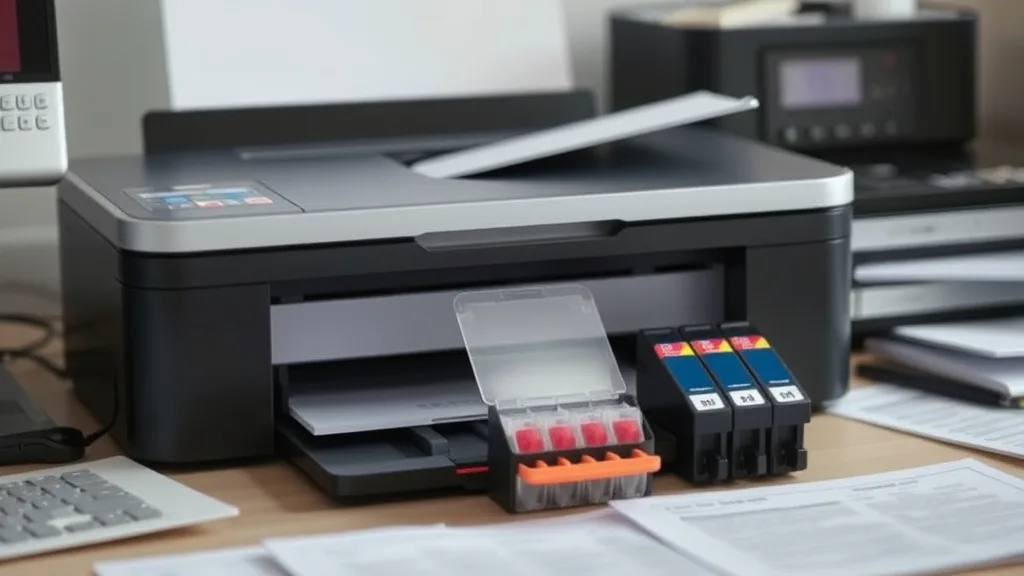
Refill Kits vs New Compatible Cartridges: Which Is More Cost Effective
If you own a printer, you’ve almost certainly felt the sting of high costs from brand-name ink cartridges. Faced with sticker shock each time you need to replace ink, many printer owners eye two popular cost-saving alternatives: refill kits and new compatible cartridges. But which option truly delivers better cost effectiveness without sacrificing print quality, yield, and reliability? In this article, we break down the key factors — cost per page, yield, compatibility risks, and chip lockouts — to help you make an informed decision tailored to your printing needs.
What Are Refill Kits and New Compatible Cartridges?
Refill kits are DIY solutions that let you refill your existing empty OEM cartridges with ink. Typically, these kits include bottled ink, syringes or refill tools, gloves, and step-by-step instructions. The idea is to avoid buying a new cartridge entirely by topping off your used ones.
New compatible cartridges, on the other hand, are remanufactured or newly manufactured cartridges designed to work in your printer, made by third-party companies rather than the original equipment manufacturer (OEM). They often come sealed and ready to install, aiming to provide an out-of-the-box replacement experience similar to brand-name cartridges but at a lower price.
How Do They Work and What Does That Mean for Cost and Yield?
Phone cases - Sponsored - 15% off first order
Phone Case Gift - They pick the model · 2 minutes Code FIRST15GIFTRefill Kits
Refill kits require manually injecting ink into the used cartridge’s tank/reservoir. Because you’re reusing the plastic cartridge shell and chip, you save on the cartridge body cost but run the risk of incomplete fills, leaks, or messy handling.
- Cost: Refill kits generally offer the lowest upfront cost since you’re only paying for the ink and tools rather than a full cartridge.
- Yield: Realistically, yields can be inconsistent. OEM cartridges have chips that regulate ink levels and prevent refilling. After multiple refills, the cartridge chip may not accurately report ink levels, leading to wasted ink or printer error messages.
- Workload: Refills take time and care, with a learning curve for best results.
New Compatible Cartridges
Compatible cartridges are designed to replace OEM cartridges as a whole unit. They come prefilled with ink and complete with chips programmed to work with your printer model.
- Cost: These cartridges cost more than refills but usually less than OEM cartridges. They save time and risk compared to refills.
- Yield: Yield tends to be more consistent and closer to OEM levels, especially if the compatible cartridges use high-quality ink and chip technology.
- Reliability: More reliable than DIY refills, but there’s always some risk of compatibility glitches or reduced printhead lifespan vs OEM.
Cost-Effectiveness Comparison Table
| Feature | Refill Kits | New Compatible Cartridges |
|---|---|---|
| Upfront Cost | Low (ink + tools only) | Moderate (full cartridge replacement) |
| Cost Per Page | Very low if refilling works well | Low to Moderate, depends on quality |
| Yield Consistency | Variable; risk of inaccurate chip info | Mostly consistent, similar to OEM |
| Ease of Use | Requires manual effort, some mess | Plug-and-play like OEM |
| Chip Lockout Risk | High after multiple refills | Low to moderate |
| Print Quality | Can degrade if ink or refilling is poor | Generally good with quality brands |
| Compatibility Risk | Minimal if using same OEM cartridge | Moderate; verify model fit |
| Environmental Impact | High reuse, less plastic waste | Moderate; reused plastic but new ink |
| Time Investment | High (prep + refilling + cleanup) | Low; quick cartridge swap |
When Should You Use Each Option?
Phone cases - Sponsored - 15% off first order
Titan Case - Precision fit · 2,000+ designs Code FIRST15TIT- Refill Kits: Best suited for those who want to maximize cost savings, don’t mind hands-on work, and have patience to troubleshoot inconsistent prints. Ideal if you have stable OEM cartridges compatible with refilling and want to stretch each cartridge’s life as far as possible.
- New Compatible Cartridges: Good choice if you seek a balance between cost savings and convenience, especially for moderate to high-volume printing where print quality and reliability matter. Suitable for users who want a cartridge that just works without the mess or risk of refilling errors.
Understanding Cost Per Page: The Real Bottom Line
The most practical way to compare cost effectiveness is cost per page (CPP), which factors in the cartridge cost and yield — usually measured as the number of pages printed at standard coverage before replacement.
- Refill kits tend to have extremely low CPP if the cartridge can be refilled multiple times without chip or print issues. However, if refilling damages the cartridge chip or print heads, you may end up replacing the whole cartridge prematurely, raising your effective CPP.
- Compatible cartridges typically have a CPP about 30-60% less than OEM cartridges, depending on the brand and ink quality. They deliver consistent yields with less risk of voided warranty or printer errors.
Practical Example:
| Option | Cost per Cartridge | Yield (pages) | Cost Per Page (CPP) |
|---|---|---|---|
| OEM Cartridge | $40 | 400 | $0.10 |
| Refill Kit (per refill) | $5 | 380* | $0.013 |
| New Compatible Cartridge | $20 | 360 | $0.055 |
*Note: Yield for refill kits often slightly lower per cycle due to imperfect refills and chip limitations.
Chip Lockouts and Compatibility Risks
Phone cases - Sponsored - 15% off first order
Phone Cases For Charity - Every case supports a cause Code GIVE10Many modern printers use microchips in cartridges to monitor ink levels and enforce OEM cartridge usage via software lockouts. Here’s how these affect your choices:
- Refill kits: Usually rely on the existing chip in your OEM cartridge. After a few refills, chips may detect ‘tampering’ and prevent printing or stop accurate ink tracking. Some kits include chip resetters, but these add complexity.
- Compatible cartridges: New chips programmed to mimic OEM chips reduce lockout risk. However, printer firmware updates sometimes disable compatible chips until third-party suppliers update their chip firmware, causing temporary compatibility issues.
Taking the Reliability Trade-Off Into Account
OEM cartridges offer the best reliability but at the highest cost. Third-party compatible cartridges trade some level of guaranteed performance for savings, generally performing well in routine tasks but occasionally presenting firmware or supply issues.
Refill kits are the most hands-on route and have the highest risk for print quality issues, damaged cartridges, or chip errors. They are best used by tech-savvy or budget-focused users willing to accept some hassle.
Environmental Considerations
Refilling OEM cartridges supports reuse and reduces plastic waste, aligning with sustainable printing goals. Compatible cartridges often use recycled or remanufactured shells, but creating new cartridges still uses more plastic and materials compared to refilling.
Common Pitfalls to Watch Out For
- Inaccurate or inferior ink formula in refill kits can cause clogs, smudging, or color shifts.
- Chip malfunction after multiple refills leading to printer errors or premature cartridge replacement.
- Compatible cartridges from unknown suppliers may have inconsistent yield or poor print quality.
- Firmware updates from the printer manufacturer can cause temporary incompatibility with third-party cartridges.
- Overfilling cartridges or improper refilling can cause ink leaks, damaging your printer.
Frequently Asked Questions
Q: Can using refill kits void my printer warranty?
A: Yes. Refilling OEM cartridges may void your printer warranty if the manufacturer detects tampering, as it violates terms of service and cartridge use policies.
Q: Are compatible cartridges safe for all printer models?
A: Most compatible cartridges are designed to fit specific printer models, but it’s important to verify compatibility before purchase. Incompatible cartridges can cause errors or damage.
Q: How can I avoid chip lockouts when using third-party cartridges?
A: Keep your printer firmware updated, purchase quality compatible cartridges from reputable suppliers, and check for chip reset tools if needed. Avoid mixing OEM and third-party cartridges regularly.
Choosing between refill kits and new compatible cartridges boils down to balancing cost savings against convenience, reliability, and print quality. For those prioritizing absolute lowest cost and hands-on control, refill kits offer the best savings if you manage their limitations carefully. For most users seeking hassle-free savings close to OEM print quality and yield, reliable compatible cartridges provide a strong middle ground. With an informed approach, you can keep your printing costs manageable without compromising your printer’s performance.
See also: Refill Kits vs New Cartridges: Which Option Saves More Money?
Top Picks
Watchdog picks
- B08CDK75M8
- B09WDBHXB3
- Soldering Iron Kit, 80W 110V Fast Heat up in 10s LCD Digital Adjustable Temperat
- B0BN57XFD8
- EPSON 522 EcoTank Ink Ultra-high Capacity Bottle Black (T522120-S) Works with ET
- B0BTSZ81C7
- B000N3BBW0
- B01N4IWH2O
Products in this guide
- Brother Printer LC30193PK Super High Yield XXL 3 Pack Ink Cartridges- 1 Ea: Cyan/Magenta/Yellow Ink
- Inkjet Refill Kit Pro — Compatible with HP, Canon, Epson, and Lexmark Cartridges
- Brother LC3019BK Super High Yield Black Ink Cartridge
- Genuine Brother LC3019 (LC-3019) (BK/C/M/Y) High Yield Color Ink 4-Pack (Includes 1 Each LC3019BK, LC3019C, LC3019M, LC3