
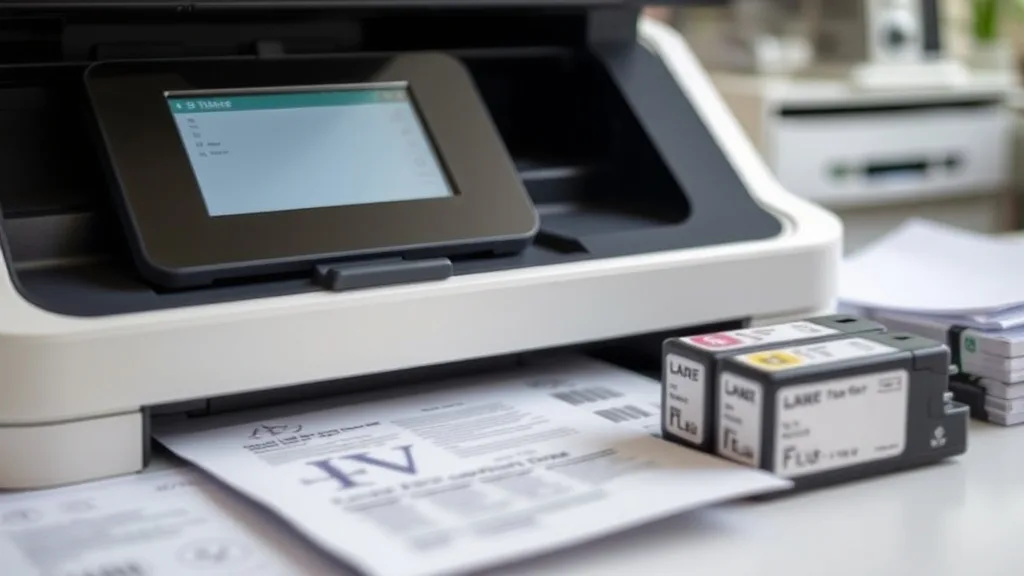
Used printer ink and toner cartridges are a common waste item for printer owners, but they are also an environmental hazard if not disposed of properly. If you’ve been throwing your empty cartridges in the trash, you’re likely contributing to landfill buildup and potentially toxic contamination. This article will walk you through how to safely and cost-effectively dispose of your used printer ink and toner cartridges, helping you reduce environmental impact while avoiding fines or damage to local waste systems.
What Are Used Printer Ink and Toner Cartridges?
Printer cartridges are containers filled with ink or toner powder used in inkjet and laser printers, respectively. After printing a certain number of pages, cartridges run dry or become depleted and must be replaced.
- Ink Cartridges: Contain liquid ink, which can be dye-based or pigment-based.
- Toner Cartridges: Contain dry toner powder, primarily for laser printers.
Because cartridges consist of plastic, ink/toner residues, and sometimes electronic components such as chips, they must be treated as electronic or hazardous waste depending on local regulations.
See also: 38. Converting a regular printer to use cheaper off-brand ink
Why Safe Disposal Matters
Phone cases - Sponsored - 15% off first order
Phone Case Gift - They pick the model · 2 minutes Code FIRST15GIFTUsed cartridges often contain residual ink or toner, which can contain chemicals harmful to soil, waterways, and wildlife. Simply throwing them in the household trash usually leads to landfill disposal where they can slowly leach toxins.
Additionally, many cartridges have plastic parts designed for reuse or recycling. Proper disposal enables:
- Reducing landfill volume and pollution
- Enabling recycling of plastics and metals
- Preventing chemical contamination
- Recovering value through cartridge remanufacturing or recycling programs
Improper disposal can also violate local waste management laws and lead to fines.
How to Safely Dispose of Used Printer Ink and Toner Cartridges: Step-by-Step
1. Identify Cartridge Type and Compatibility
Check your cartridge to confirm whether it contains ink or toner powder and note the printer model it services. Different disposal programs may have specific requirements based on cartridge type.
2. Remove Excess Ink/Toner and Store Properly
Used cartridges often retain some residual ink or toner. To prevent leaks:
- Store cartridges upright and place in sealed plastic bags or original packaging.
- Avoid exposing cartridges to heat or direct sunlight.
- For toner cartridges, gently tap the cartridge to evenly distribute remaining powder to reduce clumping or spills.
3. Explore Recycling and Return Programs
Many printer manufacturers, office supply chains, and recycling companies offer cartridge take-back or mail-back programs. You can:
- Use manufacturer mail-back services: Often free and labeled with prepaid shipping.
- Return cartridges to retailer collection points: Typically drop-off bins at office supply stores.
- Utilize third-party recycling companies: Certified e-waste recyclers accept cartridges for safe processing.
4. Participate in Local Hazardous Waste Collection Events
Many municipalities hold periodic electronic or hazardous waste collection events that accept printer cartridges. Check your local waste management website for dates and guidelines.
5. Consider Cartridge Remanufacturing or Refilling
If cartridges are in relatively good condition, some businesses specialize in remanufacturing used cartridges or refilling cartridges for reuse, which extends cartridge life and reduces waste.
6. Avoid Tossing Cartridges in Regular Trash or Recycling Bins
Ink and toner cartridges typically cannot be processed by curbside recycling programs due to their mixed materials and chemical contents. Throwing them in regular recycling bins can contaminate the recycling stream.
Cartridge Disposal Options – A Quick Comparison
Phone cases - Sponsored - 15% off first order
Titan Case - Precision fit · 2,000+ designs Code FIRST15TIT| Disposal Method | Ease of Use | Cost | Environmental Impact | Risk of Compatibility Issues | Comments |
|---|---|---|---|---|---|
| Manufacturer Mail-Back | Moderate | Usually free | Low | None | Most reliable for safe recycling |
| Retail Drop-off Points | Easy | Free | Low | None | Convenient but availability varies |
| Local Hazardous Waste Event | Hard (limited) | Free | Low | None | Good for bulk disposal |
| Third-Party Recycling | Moderate | Sometimes free or low fee | Low | None | Depends on company certifications |
| Household Trash | Easiest | None | High | N/A | Not recommended; pollutes landfill |
| Recycling Bin (Curbside) | Easy | None | High (contamination) | N/A | Usually rejected or causes contamination |
Common Challenges When Disposing of Printer Cartridges
- Lack of Available Recycling Options: Not all areas have convenient drop-off or mail-back programs, meaning DIY recycling alternatives are limited.
- Confusion About Cartridges with Chips: Some modern cartridges contain chips that prevent refilling or reuse, complicating disposal.
- Residual Ink/Toner Leakage: Improper packaging during transport can cause leaks damaging shipments or creating environmental exposure.
- Sorting Mixed Waste: Used cartridges mixed with other waste require careful handling to avoid contamination.
- Potential Fees for Recycling: Some third-party recyclers charge a small processing fee, which may discourage some users.
Additional Tips for Printer Cartridge Disposal
Phone cases - Sponsored - 15% off first order
Phone Cases For Charity - Every case supports a cause Code GIVE10- Keep a dedicated box for used cartridges; this makes it easier to track and recycle multiple cartridges at once.
- Check toner cartridges for toner powder handling safety guidelines before storing or mailing.
- Research local environmental regulations or recycling centers that deal specifically with electronic waste.
- If you refill cartridges yourself, ensure proper chip reset and cleaning protocols to avoid printer errors.
- Avoid buying brand-name cartridges with unrefillable chips if you want to reduce waste long-term by third-party refills.
Frequently Asked Questions
Q: Can I throw my used ink or toner cartridges in regular recycling bins?
A: No, ink and toner cartridges contain residual chemicals and mixed materials that typically cannot be processed by curbside programs and can contaminate the recycling stream.
Q: Are there environmental risks if used cartridges are disposed of in landfill?
A: Yes, residual ink and toner can leach toxic substances into soil and water, and plastic parts take years to degrade, impacting ecosystems negatively.
Q: Is it safe to refill empty cartridges myself?
A: It is safe if you follow appropriate handling and cleaning instructions, and ensure your printer accepts refilled cartridges without error. Otherwise, using professional remanufactured cartridges is recommended.
Properly disposing of used printer ink and toner cartridges is essential for environmental protection and regulatory compliance. By following these steps and utilizing recycling programs, printer owners can reduce waste and potentially save money on replacement cartridges in the long run. Safe disposal doesn’t have to be complicated — just a little planning and use of available resources goes a long way.
Top Picks
Watchdog picks
- EPSON 702 DURABrite Ultra Ink Standard Capacity Black Cartridge (T702120-S) Work
- B012IWR5X2
- JETSIR Dye Ink Refill Kit 100ML x5 Bottles for 950 951 952 902 901 60 61 62 63 2
- B004QM8SLG
- AOLIBE MLT-D111S Toner Cartridge High Yield Compatible for Samsung 111S MLT111S
- CEEBOO 522 High Capacity (5 Bottles) Refill Ink Replacement for Epson Compatible
- B09TG52XT4
- STAROVER Compatible Toner Cartridge Replacement for Samsung MLT-D111S D111S 111S
Products in this guide
- Brother HL-L2300D Monochrome Laser Printer with Duplex Printing
- Inkjet Refill Kit Pro — Compatible with HP, Canon, Epson, and Lexmark Cartridges
- HP 134A Black Toner Cartridge Printers | Works with LaserJet M209 Series; LaserJet MFP M234 Series | W1340A
- HP OfficeJet Pro 9125e Wireless All-in-One Color Inkjet Printer, Print, scan, copy, fax, ADF, Duplex printing best-for-o