
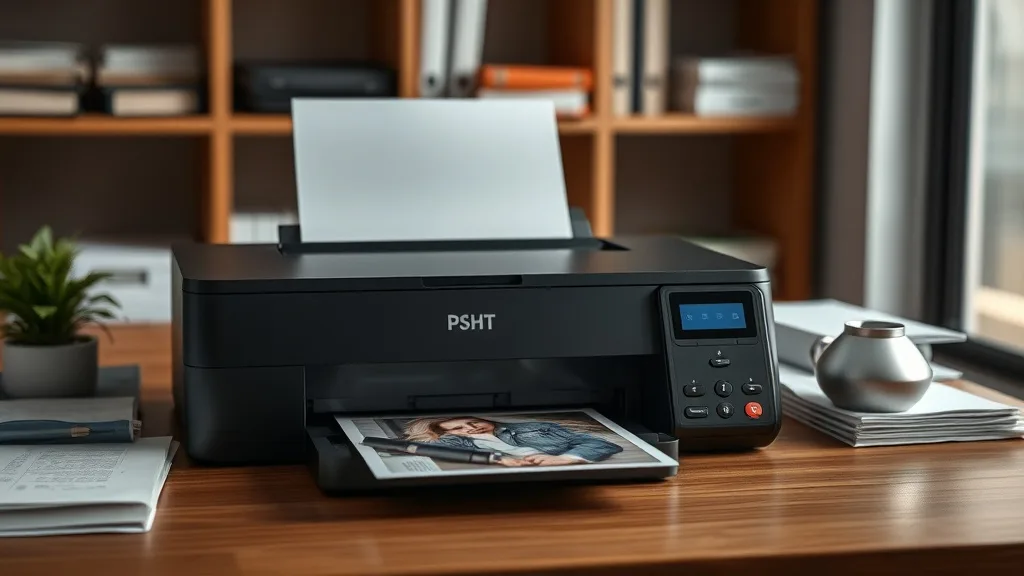
If you’re a home printer owner or hobbyist photographer looking to produce 100 high-quality photo prints, you face a crucial choice: should you print these images on your own photo-quality inkjet printer, or send the files to a professional photo lab? The decision weighs factors such as cost per print, image quality, convenience, and reliability. This article analyzes the trade-offs between photo-quality inkjet printing at home versus lab printing, offering detailed cost breakdowns, quality considerations, and practical advice for making the best choice for your needs.
What It Is: Photo-Quality Inkjet Printing vs. Lab Printing
Photo-Quality Inkjet Printing at Home
This involves using a dedicated photo inkjet printer with specialized photo inks and premium photo paper. These printers use multiple ink cartridges—often including colors like cyan, magenta, yellow, black, light cyan, light magenta—to create images with smooth gradations, rich color, and high-resolution detail. Outputs are typically printed on glossy, luster, or matte photo papers designed specifically for inkjet inks.
Professional Photo Lab Printing
Photo labs—either brick-and-mortar stores or mail-order services—print photos using professional-grade equipment and high-quality photo papers. Labs often utilize dye-sublimation or high-end inkjet printers calibrated for consistent color accuracy and longevity. Lab printing is generally a batch process and includes optional finishing services such as cropping, mounting, or laminating.
See also: Top Compatible Ink Brands for High-Quality Photo Printing
How It Works: Understanding Key Factors and Process
Phone cases - Sponsored - 15% off first order
Phone Case Gift - They pick the model · 2 minutes Code FIRST15GIFT1. Cost Per Print and Yield
Calculating the true cost per print on an inkjet printer requires factoring in ink cartridge yields, paper cost, and the printer’s efficiency in producing color-rich photos.
- Ink Cartridge Yield: Manufacturers provide estimated page yields, but photo printing consumes much more ink than text printing. An average 4x6 photo print may use 3-5 milliliters of ink across all cartridges combined.
- Paper Cost: Premium photo paper can cost between $0.20 to $1.00 per sheet depending on brand and finish.
- Lab Prices: Labs often offer 4x6 prints ranging from $0.15 to $0.50 each, but bulk orders can reduce the cost per print.
2. Print Quality and Color Accuracy
- Inkjet Prints: Modern photo inkjets provide excellent color depth and smooth tonal transitions but require frequent color management and printer maintenance (head cleaning, calibration) to maintain consistent results.
- Lab Prints: Professionals operate calibrated systems optimized for consistent color reproduction and can deliver accurate skin tones and shadows reliably without user intervention.
3. Convenience and Turnaround Time
- Home Printing: You control when to print and can immediately produce photos, but it requires setup time, potential troubleshooting, and post-print drying periods.
- Lab Printing: Generally requires uploading files or visiting a store, then waiting hours to days. Not ideal for immediate print needs but handles large batches with less user effort.
When to Use Photo-Quality Inkjet vs Lab Printing: 100-Print Scenario
The choice depends on your priorities around cost, quality, and workflow.
| Factor | Home Inkjet Printing | Photo Lab Printing |
|---|---|---|
| Cost per print | $0.25-$0.50 (includes ink, paper, wear) | $0.15-$0.40 (bulk discounts possible) |
| Initial investment | High (printer + refill cartridges) | None (pay per print) |
| Color consistency | Variable, depends on maintenance | High, professionally calibrated |
| Convenience | Immediate printing, control over output | Less instant, batch processing |
| Reliability | Dependent on cartridge compatibility, chip resets, printer health | Very reliable with consistent lab processes |
| Print longevity | High-quality inks and papers can last decades | Typically high, depending on lab paper ink |
| Customization | High; adjust settings per print | Limited; labs print to standard profiles |
Actionable Example: Cost Breakdown for 100 Prints (4x6)
| Cost Component | Home Inkjet (Estimates) | Photo Lab (Retail Pricing) |
|---|---|---|
| Ink | $40 (assuming moderate photo use, third-party compatible cartridges) | $0 (no ink usage) |
| Photo Paper | $30 (premium photo paper, 100 sheets) | $20-$40 (price per print varies by lab) |
| Printer amortization | $0.50 per print (assuming $50 printer lifespan over 100 prints) | $0 |
| Labor/Maintenance | 1-2 hours total, cleaning + setup | None |
| Total Cost | Approximately $70 | Approximately $20-$40 |
| Cost Per Print | Around $0.70 | $0.20-$0.40 |
Note: The home printing cost includes compatible cartridges which are often cheaper but may face chip lockout or reliability issues.
Common Pitfalls to Avoid
Phone cases - Sponsored - 15% off first order
Titan Case - Precision fit · 2,000+ designs Code FIRST15TIT- Chip Lockouts and OEM Cartridges: Many photo inkjet printers use cartridge chips that can block third-party or refilled cartridges, forcing expensive OEM replacements and inflating costs unexpectedly.
- Underestimating Ink Usage: Photo prints consume much more ink than text documents; relying on OEM yield numbers for general pages will underestimate real costs.
- Skipping Printer Maintenance: Neglecting print head cleaning or color calibration can cause streaky prints, color shifts, and wasted paper.
- Using Incorrect Paper: Regular paper or lower-quality papers degrade final image quality; always match paper type to printer capabilities.
- Ignoring Dry Time or Storage Conditions: Photo inkjet prints require adequate drying time and storage in low-humidity environments to prevent smudging or fading.
Which Should You Choose?
- Opt for home photo-quality inkjet if you want control over prints, occasional customization, and are comfortable handling maintenance and upfront investment. This is ideal for enthusiasts or small batches where immediacy and personalization matter.
- Choose lab printing when the highest color consistency, batch convenience, lower per-print cost, and guaranteed output quality are top priorities. Sending 100 prints to a lab is often cheaper and simpler for large bulk orders or when you want professionally finished photos.
Frequently Asked Questions
Phone cases - Sponsored - 15% off first order
Phone Cases For Charity - Every case supports a cause Code GIVE10Q: Can I use third-party ink cartridges for photo-quality inkjet printing?
A: Yes, but expect potential firmware chip lockouts and slight differences in color accuracy. Third-party cartridges often lower costs but may reduce printer reliability.
Q: How much ink does a typical photo print use compared to text documents?
A: Photo prints use significantly more ink—often 10 to 20 times more per page than text-only documents—as they require full coverage and multiple ink colors.
Q: Will home-printed photos last as long as lab-printed ones?
A: With high-quality pigment inks and proper photo paper, home prints can last decades. However, professional labs often use archival-grade materials and controlled processes providing more consistent longevity.
By carefully weighing your printing needs and understanding the trade-offs in cost, quality, and convenience, you can confidently decide whether printing 100 photos at home or using a photo lab best fits your project and wallet.
Top Picks
Watchdog picks
- HP OfficeJet Pro 9125e Wireless All-in-One Color Inkjet Printer, Print, scan, co
- Smart Ink Remanufactured Ink Cartridges Replacement for HP 962XL 962 XL Combo Pa
- Epson 522 EcoTank Ink Ultra-high Capacity Bottle Black & Color Combo Pack (T5221
- B09DV14ZZL
- B07C11YW88
- HP DeskJet 2955 Wireless All-in-One Color Inkjet Printer, Scanner, Copier, Best-
- Dikarsum 5 in 1 Ink Refill Tools Compatible with Hp Inkjet Ink Cartridges (Ink C
- B0CPB11F85
Products in this guide
- HP OfficeJet Pro 8125e Wireless All-in-One Color Inkjet Printer, Print, scan, Copy, ADF, Duplex Printing Best-for-Home O
- HP OfficeJet Pro 9125e Wireless All-in-One Color Inkjet Printer, Print, scan, copy, fax, ADF, Duplex printing best-for-o
- HP DeskJet 2855e Wireless All-in-One Color Inkjet Printer, Scanner, Copier, Best-for-home, 3 month Instant Ink trial inc
- HP DeskJet 2955 Wireless All-in-One Color Inkjet Printer, Scanner, Copier, Best-for-Home, 3 Month Trial of Instant Ink I