
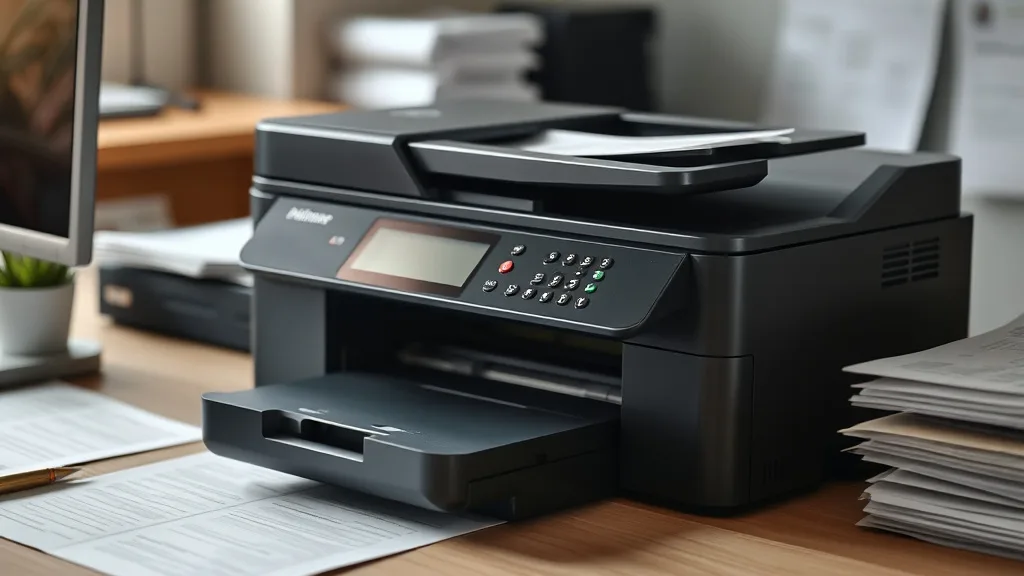
Third-party toner cartridges can offer significant savings compared to brand-name cartridges, but one common concern among printer owners is the question of warranty claims and who ultimately bears the cost if something goes wrong. If you’ve ever found your printer damaged or malfunctioning after using a third-party toner—and wondered whether the third-party vendor, the printer manufacturer, or you are responsible for the repairs—you’re not alone. This article breaks down the realities of third-party toner warranty claims, delineates key factors affecting liability, and helps you navigate the trade-offs involved.
What Are Third-Party Toner Warranty Claims?
A warranty claim arises when a device, like a printer, fails or is damaged, leading the owner to seek repair or replacement at no additional cost under warranty terms. When using compatible or remanufactured toner cartridges—often referred to simply as “third-party toners”—issues may emerge such as poor print quality, toner leakage, or mechanical damage to the printer. Warranty claims in this context revolve around determining whether the damage or malfunction falls under the printer manufacturer’s warranty coverage or whether a third-party toner vendor is responsible.
See also: Understanding Ink Formulations: OEM vs Compatible Cartridge Chemistry
How Warranty Coverage Works With Brand-Name vs. Third-Party Toners
Phone cases - Sponsored - 15% off first order
Phone Case Gift - They pick the model · 2 minutes Code FIRST15GIFTPrinter manufacturers provide warranties on their products, generally guaranteeing repair or replacement in case of defects in materials or workmanship. However, these warranties typically include clauses that explicitly exclude coverage if damage or problems result from:
- Use of non-OEM consumables (cartridges, toners, ink)
- Improper installation or device modifications
- User negligence or accident
This means that if a third-party toner cartridge causes a hardware failure, the printer manufacturer can legally deny warranty service, pushing repair or replacement costs back to you, the user.
By contrast, if you use original brand-name toner cartridges as recommended, your warranty claim will usually be honored without dispute—assuming no other violations.
Who Actually Pays When You Make a Warranty Claim?
The payment responsibility depends largely on who is deemed at fault and the terms of both the printer and toner warranties. Let’s break down the parties potentially involved:
-
Printer Manufacturer: Covers repairs under warranty if the failure is caused by inherent defects or normal use involving OEM parts. Will reject claims if third-party consumables caused damage.
-
Third-Party Toner Vendor: May offer warranty or money-back guarantees but are not legally required to cover printer repairs from cartridge-caused damage. Resolving claims with them can be more difficult and occasionally costly.
-
Printer Owner (You): May need to pay out-of-pocket for repairs or replacement, especially if your printer manufacturer denies warranty service due to third-party toner use.
What You Should Know About Third-Party Toner Warranties
Phone cases - Sponsored - 15% off first order
Titan Case - Precision fit · 2,000+ designs Code FIRST15TITMany third-party toner suppliers advertise warranties promising “no damage” or “defect-free” cartridges, but these generally cover the cartridges themselves—not damage to your printer. Rarely do third-party sellers assume direct responsibility for printer repair bills if their product malfunctions or causes printer failure.
Sometimes, third-party vendors will reimburse repair costs or offer replacements only if:
- You provide proof of toner defect.
- The printer repair is directly traceable to the third-party toner.
- You follow their claim procedures, which often have strict timelines and documentation requirements.
Comparison Table: Warranty Claims for Brand-Name vs Third-Party Toners
| Aspect | Brand-Name Toner | Third-Party Toner |
|---|---|---|
| Warranty Coverage | Printer warranty usually intact | Printer warranty often void if damage occurs |
| Claim approval difficulty | Generally straightforward | Often denied or complicated |
| Liability for printer damage | Manufacturer generally responsible | Usually shifts to user or third-party vendor |
| Cost risk to user | Low if using OEM cartridges | Higher risk of out-of-pocket repair bills |
| Vendor warranty on toner | Covers cartridge defects | Varies: often limited, excludes printer damage |
| Requirement for proof | Minimal, assuming OEM use | Extensive proof often required |
| Repair turnaround time | Fast under warranty | Can be slow or none if claim denied |
When to Consider Using Third-Party Toners Despite Warranty Issues
Phone cases - Sponsored - 15% off first order
Phone Cases For Charity - Every case supports a cause Code GIVE10Third-party toners can reduce your cost per page dramatically—often 30-70% less than OEM cartridges. If you have already burnt through OEM supplies and want to save, they can be an attractive option. Here are circumstances when third-party toners might be reasonable despite warranty concerns:
- You have an older printer out of warranty: Warranty concerns are moot if your printer is past the manufacturer’s warranty eligibility period.
- You prioritize cost savings over potential risks: If saving money on consumables outweighs the risk of a repair bill.
- You use high-quality third-party brands: Some premium vendors have strict quality controls that reduce failure risks.
- You are savvy with maintenance and troubleshooting: Reducing risk through careful handling and understanding printer care can mitigate damage likelihood.
Common Pitfalls With Third-Party Toner Warranty Claims
1. Ignoring Printer Manufacturer Warranty Terms
Most printer warranties explicitly state they do not cover damage from third-party consumables. Assuming otherwise can lead to surprise expenses, so read warranty documents carefully before switching.
2. Overlooking Need for Proof in Warranty Claims
Third-party toner vendors often deny claims without detailed evidence, including photos, repair diagnostics, and usage logs. Many users underestimate this need.
3. Not Considering Printer Firmware Lockouts
Some printer manufacturers issue firmware updates that detect and block third-party cartridges, leading to errors or reduced functionality. This “chip lockout” complicates warranty claims and device usability.
4. Expecting Third-Party Vendors to Cover Printer Repairs
Most vendors’ warranties on cartridges do not extend to the printer itself. Assuming you’re covered for full damages is risky.
5. Not Accounting for Yield and Cost Differences
Some third-party toners offer different yields compared to OEM cartridges. Cheap upfront costs can be offset by lower page yields or additional maintenance expenses.
How to Protect Yourself When Using Third-Party Toner Cartridges
- Research the Vendor’s Warranty Terms Carefully: Look specifically for clauses about printer damage and limitations.
- Retain All Purchase and Usage Records: Keep receipts, photos, box packaging, and even printer usage logs.
- Understand Your Printer Warranty: Know what invalidates coverage and when your warranty expires.
- Test Third-Party Toner on Non-Critical Printers First: Pilot high-risk consumables on secondary devices.
- Ready a Backup OEM Cartridge: If print quality or printing functionality degrades, switch back immediately.
- Register Third-Party Toners When Possible: Some vendors request registration to support claims.
- Avoid Firmware Updates Known to Block Third-Party Cartridges: Check online forums or vendor notices before updating firmware.
- Use Compatible Toners Designed Specifically for Your Printer Model: Generic cartridges may increase risk.
Conclusion
Navigating warranty claims involving third-party toner cartridges requires understanding the limitations of manufacturer warranties, recognizing the liabilities involved, and knowing how third-party vendors position their own warranties. While third-party toners can lower printing costs significantly, the risk of denied or partial warranty claims—especially for printer damage—is real and should be factored into your decision-making process. You may avoid warranty pitfalls by carefully researching ink vendor policies, understanding your printer’s terms, keeping documentation, and balancing cost savings against potential risks.
Frequently Asked Questions
Q: Does using third-party toner always void my printer’s warranty?
A: Not necessarily “always,” but most printer manufacturers state in their warranty conditions that damage caused by non-OEM cartridges will not be covered. Using third-party toner increases the risk of voiding warranty on affected components.
Q: Can a third-party toner vendor pay for my printer repairs if their cartridge causes damage?
A: It’s rare. Most vendors’ warranties cover only defective toner cartridges, not printer repairs. Some may offer limited reimbursement with strict proof requirements, but don’t rely on this.
Q: How can I minimize risks when using third-party toners?
A: Use reputable third-party suppliers, keep thorough records, avoid problematic printer firmware updates, and test in non-critical environments first. Be prepared to switch back to OEM cartridges if issues arise.
Top Picks
Watchdog picks
- B000H0XFCS
- B001E10B9I
- B00B5JOC5C
- Epson EcoTank ET-2988 Wireless All-in-One Color Supertank Printer with up to 3 Y
- EPSON 522 EcoTank Ink Ultra-high Capacity Bottle Black (T522120-S) Works with ET
- InkOwl Compatible Ink Cartridge Replacement for Roland ECO-SOL MAX 2 Printers ES
- Soldering Iron Kit, 80W 110V LCD Digital Solder Iron Pen with Ceramic Heater, Po
- Canon PG-245 / CL-246 Genuine Ink Value Pack (2 Cartridges), Compatible with iP2
Products in this guide
- HP Samsung MLT-D116L (SU832A) MLT-D116L Toner Cartridge
- Ink Cartridge Printer Replacement Part Compatible with Expression Photo XP-15000
- Inkjet Refill Kit Pro — Compatible with HP, Canon, Epson, and Lexmark Cartridges
- AZ Compatible Toner Cartridge Replacement for Dell 1250 (1250BK) use in Color Laser 1250C Color Laser 1350CNW Color Lase