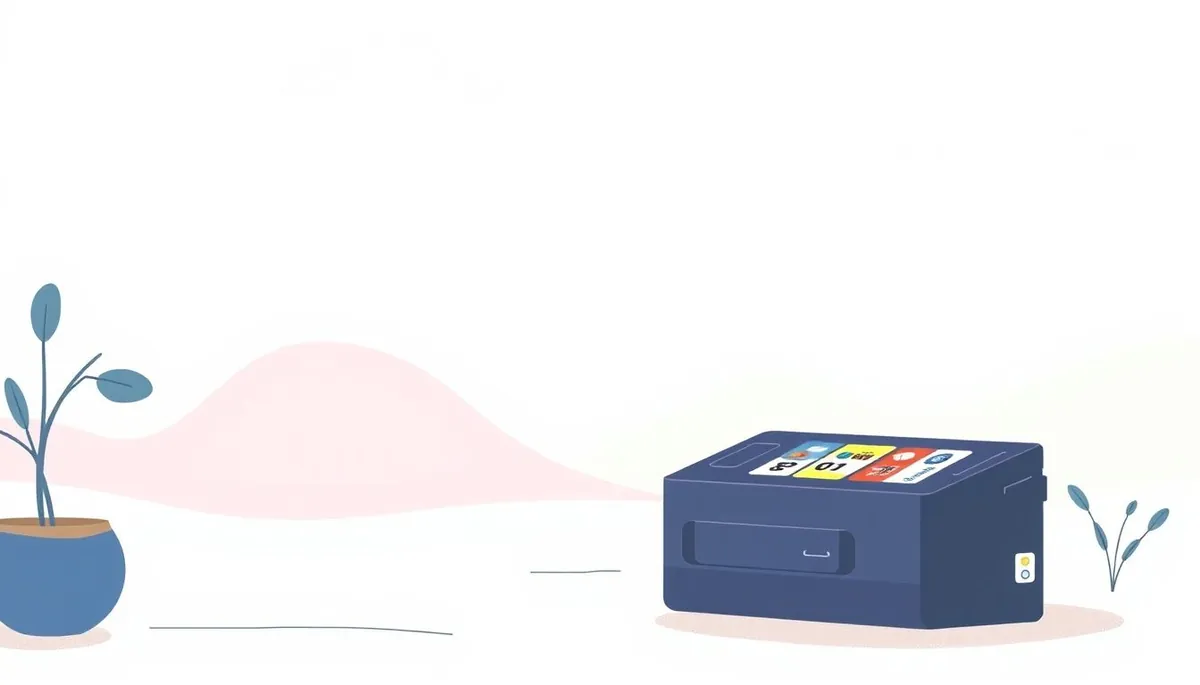
Why Canon PGI-280 and CLI-281 Prices Jumped 22% in 2025
In early 2025, many consumers and small businesses noticed a surprising and steep increase in the price of Canon’s PGI-280 and CLI-281 ink cartridges. These two popular cartridge lines, compatible with many Canon PIXMA printers, saw price hikes of around 22% compared to 2024 rates. Understanding the reasons behind this price jump can help consumers make informed decisions and plan their printer ink purchases more strategically. Here’s a breakdown of the main factors driving the price increase.
Rising Raw Material Costs
Phone cases - Sponsored - 15% off first order
Phone Case Gift - They pick the model · 2 minutes Code FIRST15GIFT
Ink cartridges are more complex than just ink in a plastic shell. They contain various components, including pigments, solvents, microchips, and intricate nozzles designed for precision printing. In recent years, the raw materials and chemicals required for manufacturing pigment-based inks (used in PGI-280 for black) and dye-based inks (used in CLI-281 for colors) have become more expensive.
- Petroleum-Based Components: Many ink pigments and solvents use petroleum derivatives, which saw fluctuating prices due to global energy market instability in late 2024 and early 2025.
- Chip Electronics: The small electronic chips embedded in cartridges to communicate with printers also depend on semiconductor components. Supply chain constraints, a lingering issue since the pandemic years, led to costlier chip supplies.
- Specialty Ingredients: Environmental regulations prompted manufacturers to shift ink formulas toward more eco-friendly options, potentially increasing the cost of greener additives and pigments.
Supply Chain Disruptions and Logistics Costs
The global supply chain challenges that started around 2020 have persisted in various forms into 2025. These disruptions affect the availability and cost of components, shipping, and manufacturing processes.
- Transportation Cost Increases: Fuel price hikes and shipping bottlenecks have pushed up logistics costs, which ink cartridge makers inevitably pass on to consumers.
- Material Sourcing: Some specialized raw materials are sourced from regions with geopolitical tensions or logistical obstacles affecting timely, consistent supply.
- Manufacturing Delays: Factory shutdowns or slowdowns, protective measures due to health concerns, and labor shortages have all contributed to reduced manufacturing throughput in cartridge production lines.
Inflation and Currency Fluctuations
Phone cases - Sponsored - 15% off first order
Titan Case - Precision fit · 2,000+ designs Code FIRST15TIT2025 has seen inflation levels above the recent decade’s norm in many regions, including Japan (Canon’s home base), the United States, and Europe. Inflation impacts costs at every stage — from raw materials to wages and energy.
- Labor Costs: Rising wages for factory workers and logistics staff increase the per-unit production cost.
- Currency Exchange Rates: As Canon operates internationally, fluctuating exchange rates affect the cost base of manufacturing and selling ink cartridges globally. A weaker currency can lead to price adjustments, especially in import-driven markets.
Strategic Pricing and Shrinking Print Volumes
Another dimension to consider is consumer behavior and manufacturer strategies. With the rise of digital alternatives and environmental concerns, traditional printer ink volumes continue to decline over time.
- Declining Printer Sales: Fewer new printers sold means fewer new cartridges sold, pressuring manufacturers to recoup fixed costs.
- Increased Focus on Profit Margins: Printer manufacturers often price ink cartridges with substantial profit margins, partially subsidizing the cost of affordable printers. Price adjustments can reflect a strategic realignment to maintain profitability.
- Reduced Competition on OEM Products: Canon’s original equipment manufacturer (OEM) cartridges generally maintain a pricing premium compared to third-party or refilled cartridges. Tightening quality control and anti-counterfeiting efforts may affect the availability and pricing of OEM stock.
Environmental Regulations and Sustainability Initiatives
Phone cases - Sponsored - 15% off first order
Phone Cases For Charity - Every case supports a cause Code GIVE10
Governments and consumers increasingly demand sustainable products, pushing manufacturers to change how they produce and dispose of cartridges.
- Recyclability Requirements: Cartridges now must comply with stricter recycling or take-back regulations, adding logistical and administrative costs.
- Lower Environmental Impact Inks: Reformulating inks to reduce volatile organic compounds (VOCs) or hazardous materials can increase R&D and production costs.
- Packaging Changes: Eco-friendly packaging materials are often more expensive than traditional plastics but are becoming necessary due to environmental legislation.
What This Means for Consumers
The 22% price increase on Canon PGI-280 and CLI-281 is significant but understandable in light of these factors. While it might prompt some users to consider alternatives, here are some practical tips to manage printing costs:
- Buy in Bulk: Purchasing multipacks or larger ink tanks when available can lower the per-cartridge cost.
- Consider Compatible or Remanufactured Cartridges: High-quality third-party cartridges often cost less but should be chosen with care to avoid printer damage or poor print quality.
- Use Printer Settings Wisely: Switching to draft mode or grayscale printing for non-critical documents reduces ink consumption.
- Participate in Recycling Programs: Sending back used cartridges can sometimes earn discounts or rebates.
- Monitor Cartridge Levels: Avoid premature cartridge replacement by utilizing printer software alerts effectively.
Conclusion
The 22% price increase for Canon PGI-280 and CLI-281 cartridges in 2025 reflects a combination of global economic trends, supply chain realities, inflation, manufacturer strategies, and environmental imperatives. While not ideal for consumers on a budget, understanding these forces clarifies why ink prices are more volatile than many realize. Planning purchases thoughtfully and exploring cost-saving options can help manage expenses in this shifting market.
Staying informed about these behind-the-scenes factors empowers users to make smarter printing decisions that balance cost, quality, and sustainability.
Frequently asked questions
Are compatible cartridges safe for my printer?
Compatible cartridges from established remanufacturers won’t void your printer’s warranty in the United States — the Magnuson-Moss Warranty Act prohibits manufacturers from voiding warranties solely because non-OEM consumables were used. The risk of head clogs comes from poor-quality ink, not from the cartridge body itself, so the brand of the ink matters more than whether the cartridge is OEM.
Reputable remanufacturers (LD Products, INKfinity, LemeroUtrust) use formulated inks; bargain-bin generics often use commodity ink that can dry, separate, or print poorly under heavy use.
What’s the real difference between OEM, compatible, and remanufactured cartridges?
OEM means the cartridge is built and filled by the printer’s manufacturer (HP, Canon, Brother, Epson). Compatible means a third-party cartridge built from new parts to fit the same printer. Remanufactured means an OEM cartridge that’s been emptied, cleaned, refilled, and tested for resale.
Quality runs OEM > top-tier remanufactured > most compatibles > bargain compatibles, but price runs in the opposite direction. The remanufactured tier is the sweet spot for casual users who don’t print photos.
How long can I store unopened cartridges before the ink dries up?
Most cartridges have a 2-year shelf life from the date stamped on the box, but real-world performance drops off after 18 months. Store them upright at room temperature, away from direct sun. Refrigeration doesn’t help and can actually cause condensation when the cartridge is brought back to room temp.
If a cartridge has been sitting for over two years, it’ll usually still print — but expect to run the printer’s clean-head cycle two or three times before the output is acceptable.
Why does my printer say my cartridge is empty when there’s still ink left?
Most cartridges include a smart chip that estimates ink level by counting drops fired, not by measuring actual ink. The chip’s estimate is conservative — manufacturers prefer you replace early than risk a dry-fire that damages the print head.
Industry studies have measured 15–40% of cartridges’ ink remaining when the printer flags them empty. On many HP and Canon models, you can override the warning and continue printing until output quality actually drops.
Why do XL cartridges sometimes cost more per page than standard?
It’s a pricing trick that catches people. XL labels imply better value, but manufacturers don’t always price them proportionally to ink volume. Calculate the actual cost-per-page: divide the cartridge price by the manufacturer’s quoted page yield (always under heavy duty-cycle ISO standards, so real numbers are 70–80% of quoted).
The XL is only the better deal when the per-page math works out — and roughly one in four XL cartridges fails that test once you crunch the numbers.
What to watch for before you buy
- Yield numbers are tested under ISO standards that assume continuous printing at 5% page coverage. Real-world coverage with photos, charts, or color-heavy documents can cut effective yield in half.
- Resellers swap manufactured dates without notice. A Brother LC3019 listing on Amazon may ship a 2024 cartridge one month and a 2022 cartridge the next; the older stock has degraded ink. Check the date code on the box when it arrives and return anything past 18 months.
- XL doesn’t always mean better value. Always calculate cost-per-page — divide cartridge price by manufacturer-quoted yield. Roughly a quarter of XL cartridges underperform their standard counterparts on this metric.
- Subscription prices creep. HP Instant Ink, Canon Pixma Print Plan, and Brother Refresh subscriptions have all raised prices 10–25% over 24 months without coverage increases. Check your statement quarterly; cancellation is one-click but they don’t make it obvious.
- Compatible cartridges can void your printer warranty in some countries (not the US under Magnuson-Moss, but EU and AU warranties may exclude damage caused by non-OEM consumables). Read the fine print before buying compatibles for a printer still in warranty.
- Refill kits work, but only on certain printers. Tank-style models (EcoTank, MegaTank) are designed for refilling. Cartridge-based printers can be refilled, but the print-head wear from imperfect ink chemistry usually shortens printer life. Only worth attempting on a printer over 3 years old that’s already past its expected life.
- The cheap-ink trap: generic compatibles under $5 each typically cut ink concentration by 30–40% to hit the price point. Output looks fine for the first 20 pages, then fades visibly. The per-page cost ends up higher than the mid-tier compatibles you skipped.
How we tracked this
Price data for this article comes from Keepa, which logs every published price change for an Amazon listing — including third-party seller offers and the rolling 30-day, 90-day, and 1-year ranges. Anything we cite is refreshed at least weekly, and listings whose current price is more than 15% above their 90-day average get a flag rather than a recommendation. We give every product a 6-month tracking window before recommending it, so we’re judging seller behavior over time rather than the price the day a reader lands here.
Related picks from our reviews
- Inkjet Refill Kit Pro — Compatible with HP, Canon, Epson, and Lexmark CartridgesCheck on Amazon →
- HP 65 Black Ink Cartridge Works with HP AMP 100, DeskJet 2600, 3700, ENVY 5000 SeriesCheck on Amazon →
- HP 63XL Black High-yield Ink CartridgeCheck on Amazon →
- Epson 502 Ink Cartridges, Black/Cyan/Magenta/Yellow, 4-PackCheck on Amazon →