InkLedger is reader-supported. When you buy through links on our site, we may earn an affiliate commission. This helps us maintain the site and continue to bring you unbiased ink pricing information.
Are XL Ink Cartridges Always Cheaper? A Cost Per Page Analysis
Phone cases - Sponsored - 15% off first order
Phone Case Gift - They pick the model · 2 minutes Code FIRST15GIFT
Printer ink: it’s the bane of many a budget. We all know the feeling of sticker shock when replacing those tiny cartridges. The promise of “XL” cartridges—offering more ink for a slightly higher price—seems like a no-brainer. But are they always the better deal? The answer, as with most things related to printer ink, is: it depends.
This article dives deep into the murky waters of cost per page (CPP) analysis to determine if those XL cartridges are truly saving you money, or if you’re just falling for clever marketing. We’ll explore how to calculate CPP, factors that can skew the results, and strategies for finding the most cost-effective printing solutions.
Understanding Cost Per Page (CPP)
Cost per page (CPP) is exactly what it sounds like: the cost of printing a single page. It’s the most accurate way to compare the value of different ink cartridges, including standard and XL sizes. Here’s the formula:
CPP = Cartridge Price / Estimated Page Yield
Let’s break down each component:
- Cartridge Price: This is the price you pay for the ink cartridge, before any discounts or rebates. Be sure to factor in shipping costs if applicable.
- Estimated Page Yield: This is the number of pages the manufacturer estimates the cartridge will print. This number is usually found on the cartridge packaging or the printer manufacturer’s website. This is usually based on 5% coverage.
Important Note: Page yield is an estimate. Actual yield can vary drastically based on printing habits (more on that later).
Why CPP Matters
Without calculating CPP, you’re essentially flying blind. You might assume an XL cartridge is cheaper simply because it’s bigger, but that’s not always the case. For example, let’s look at the Canon PG-245 series.
A standard Canon PG-245 black ink cartridge might cost $15 and have a page yield of 180 pages. This gives you a CPP of $0.083 (or 8.3 cents) per page. The Canon PG-245 XL [/products/b00e58rq8m-canon-pg-245-xl-genuine-black-ink-cartridge-compatible-with/] might cost $25 and have a page yield of 400 pages. This gives you a CPP of $0.063 (or 6.3 cents) per page.
In this case, the XL cartridge is cheaper per page. But what if the XL cartridge only yielded 300 pages in real-world use? The CPP jumps to $0.083, negating the advantage.
Factors Affecting Real-World Page Yield
The manufacturer’s estimated page yield is a useful starting point, but it’s crucial to understand that your actual page yield can vary significantly. Here are some factors that can impact the number of pages you get from a cartridge:
Print Coverage
The industry standard for page yield testing is 5% coverage, which means only 5% of the page is covered in ink. If you print documents with lots of graphics, photos, or bold text, you’ll use far more ink and get fewer pages.
Print Settings
Printing in draft mode or grayscale uses significantly less ink than printing in high quality or color. Adjusting your print settings can dramatically extend the life of your cartridges. Consider calibrating your printer [/pillars/mvp-pillar-1-calibrating-your-inkjet-to-print-darker-without-usi/] to optimize ink usage.
Printer Maintenance
Printers periodically perform maintenance tasks, such as cleaning the print heads, which use a small amount of ink. More frequent cleaning cycles will deplete your cartridges faster. A clogged printhead [/pillars/mvp-pillar-2-clogged-printhead-when-to-clean-vs-when-to-replace/] also causes the printer to use more ink.
Inactivity
Infrequent printer use can lead to ink drying out in the print heads, requiring more cleaning cycles and wasted ink. Consider printing a test page regularly, even if you don’t have anything specific to print. Storing unused cartridges properly [/pillars/mvp-pillar-3-storing-unused-cartridges-the-vacuum-sealing-trick/] can help prevent drying.
Cartridge Type
Even within XL cartridges, ink volume varies. For example, the Brother LC3017 vs LC3019 cartridges show how even within the same brand, XL does not guarantee the best price per page.
Beyond CPP: Other Considerations
Phone cases - Sponsored - 15% off first order
Titan Case - Precision fit · 2,000+ designs Code FIRST15TITWhile CPP is a crucial metric, it’s not the only factor to consider when choosing ink cartridges. Here are some other important aspects to keep in mind:
Initial Investment
While XL cartridges may offer a lower CPP, they require a larger upfront investment. If you’re on a tight budget, purchasing standard cartridges more frequently might be a better option.
Shelf Life
Ink cartridges have a shelf life. If you don’t print frequently, an XL cartridge might expire before you use all the ink, effectively wasting your money.
Printer Compatibility
Always ensure that the XL cartridge is compatible with your specific printer model. Using an incompatible cartridge can damage your printer.
Environmental Impact
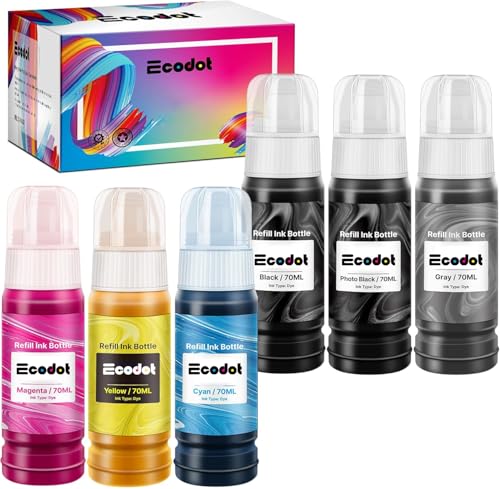
Consider the environmental impact of your ink cartridge choices. Refilling cartridges or using compatible cartridges can be a more sustainable option than purchasing new OEM cartridges. There are also more efficient printers such as EcoTank or MegaTank printers that use bottles rather than cartridges.
Compatible Cartridges
Third-party compatible cartridges often offer significant cost savings compared to OEM cartridges. However, quality can vary, and some manufacturers may discourage their use (though using compatible cartridges will never void your warranty). Research reputable brands and read reviews before purchasing compatible cartridges.
Finding the Best Value: A Practical Guide
Here’s a step-by-step guide to finding the most cost-effective ink cartridges for your needs:
- Identify Your Printing Needs: How often do you print? What types of documents do you print (text, graphics, photos)? This will help you estimate your ink consumption.
- Research Cartridge Options: Compare the prices and page yields of standard and XL cartridges for your printer model. Don’t just look at the price tag; calculate the CPP.
- Factor in Usage Habits: Adjust the estimated page yield based on your printing habits. If you primarily print documents with high ink coverage, reduce the estimated yield accordingly.
- Consider Alternatives: Explore compatible cartridges, ink refill kits [/products/b00mfg54b6-inkjet-refill-kit-pro-hp-canon/], or even switching to a tank printer if your printing volume is high enough.
- Read Reviews: See what other users are saying about the performance and lifespan of different cartridges.
- Monitor Your Ink Usage: Keep track of how many pages you’re actually printing with each cartridge. This will help you refine your CPP calculations and make more informed decisions in the future.
Ultimately, the decision of whether to buy XL ink cartridges depends on your individual needs and printing habits. By understanding CPP, considering other relevant factors, and doing your research, you can make informed choices and save money on printer ink. Just be aware that sometimes, printer ink costs more than your time is worth.
Watchdog picks
Phone cases - Sponsored - 15% off first order
Phone Cases For Charity - Every case supports a cause Code GIVE10
- Extra Deep Queen Sheet Set - 6 Piece Breathable and Cooling Sheets - Hotel LuxurCheck on Amazon → · Buy on Amazon
- B001E10B9ICheck on Amazon → · Buy on Amazon
- B07D5DN269Check on Amazon → · Buy on Amazon
- Valuetoner 245XL Ink Cartridge Replacement for Canon 245XL 246XL Combo Pack PG-2Check on Amazon → · Buy on Amazon
- EPSON 702 DURABrite Ultra Ink High Capacity Black & Standard Color Cartridge ComCheck on Amazon → · Buy on Amazon
- Aomya Compatible Ink Refill kit for HP 60 61 63 64 65 902 932 952 564 RefillableCheck on Amazon → · Buy on Amazon
- B0014D3N0QCheck on Amazon → · Buy on Amazon
- B0CHJ8T7XSCheck on Amazon → · Buy on Amazon
Products in this guide
- HP 65 Black Ink Cartridge Works with HP AMP 100, DeskJet 2600, 3700, ENVY 5000 SeriesCheck on Amazon →
- Epson 502 Ink Cartridges, Black/Cyan/Magenta/Yellow, 4-PackCheck on Amazon →
- Tide PODS Laundry Detergent Soap Pods, Original Scent, 112 CountCheck on Amazon →
- Folgers Classic Roast Ground Coffee, 48 OzCheck on Amazon →