
InkLedger is reader-supported. When you buy through links on our site, we may earn an affiliate commission at no cost to you. This helps us keep the ink flowing and the price hikes exposed.
HP Instant Ink promises convenience and savings, but the reality often involves a complex web of hidden costs. While the subscription model can seem attractive at first glance, a deeper dive reveals potential pitfalls that can make it more expensive than traditional ink cartridge purchases. We’ve been tracking ink prices for years, and we’re here to break down the Hidden Costs HP Instant Ink, so you can make an informed decision about whether it’s truly right for your printing needs.
The Allure of Convenience: How Instant Ink Works
Phone cases - Sponsored - 15% off first order
Phone Case Gift - They pick the model · 2 minutes Code FIRST15GIFT
HP Instant Ink is a subscription service where you pay a monthly fee based on the number of pages you print, not the amount of ink you use. HP monitors your ink levels remotely and automatically sends you new cartridges when they detect you’re running low. This eliminates the need to rush to the store or order online at the last minute. Plans range from a free plan (limited pages) to plans catering to high-volume users. The core promise is simple: convenience and cost savings.
The Initial Upside
The immediate benefits are clear:
- Automatic Ink Delivery: No more running out of ink mid-print.
- Predictable Monthly Costs: Budgeting for ink becomes easier.
- Recycling Program: HP provides prepaid envelopes for recycling used cartridges.
However, these benefits often obscure the less obvious aspects of the service.
Hidden Cost #1: The Unused Page Penalty
One of the biggest hidden costs of HP Instant Ink lies in the rollover page system. While HP allows you to roll over unused pages to the next month, there’s a limit. The maximum rollover is usually equal to the number of pages included in your plan. For example, if you have a 100-page plan, you can only roll over a maximum of 100 unused pages.
Rollover Cap: A Restriction in Disguise
This rollover cap can lead to significant waste and unnecessary expense. If you consistently print less than your plan allows, you’re essentially paying for pages you don’t use. And if you occasionally have a month with high printing volume, you can quickly exceed your plan and incur overage charges. Before signing up for any ink subscription, you should review HP’s official terms and conditions for current rollover policies.
The Overage Charge Trap
Overage charges can quickly negate any savings you might have gained. These charges typically range from $1 to several dollars for each set of 10-20 overage pages, depending on your plan. If you frequently exceed your page limit, the cost per page can easily surpass the cost of buying traditional cartridges.
Example: A Realistic Scenario
Let’s say you’re on a 50-page plan for $5 per month. You consistently print only 20 pages, rolling over 30 pages each month. Then, in one month, you need to print 100 pages. You’ll use your 50 plan pages, plus your 30 rollover pages, leaving 20 overage pages. At an overage charge of $1 per 10 pages, you’ll be charged an extra $2, bringing your total monthly cost to $7. This starts to chip away at any perceived savings.
Hidden Cost #2: Printer Dependency and Data Collection
Phone cases - Sponsored - 15% off first order
Titan Case - Precision fit · 2,000+ designs Code FIRST15TITHP Instant Ink locks you into a specific ecosystem. Your printer must be compatible with the service, and you can only use the ink cartridges provided by HP. This creates a dependency that limits your options.
Printer Lock-In: No Escape Route
Once you’re enrolled in Instant Ink, you can’t use regular ink cartridges. If you cancel your subscription, the Instant Ink cartridges will no longer work. This forces you to either continue the subscription or purchase new, non-Instant Ink cartridges. This also limits your ability to use cheaper, third-party cartridges, or even refill your existing cartridges with a inkjet refill kit.
Data Collection: Privacy Concerns
HP monitors your printer usage to track your page count and ink levels. While this is necessary for the service to function, it also means that HP collects data on your printing habits. Some users may find this intrusive, especially considering the increasing concerns about data privacy.
The Fine Print: Data Usage
HP’s privacy policy outlines how they use the data collected from your printer. While they claim to use it to improve their services, it’s essential to be aware of the extent of this data collection.
Hidden Cost #3: Ink “Ownership” and Cartridge Return
With HP Instant Ink, you never actually own the ink cartridges. They remain HP’s property, and you’re required to return them when you cancel your subscription. This can be inconvenient, especially if you prefer to keep spare cartridges on hand.
Returning Cartridges: An Added Hassle
The cartridge return process adds an extra step to canceling your subscription. You need to package the used cartridges and ship them back to HP using the provided prepaid envelope. Failure to return the cartridges can result in additional charges.
Ink Expiration: Use It or Lose It
The ink in Instant Ink cartridges is only valid as long as you’re an active subscriber. If you cancel your subscription, any remaining ink in the cartridges becomes unusable. This can be frustrating if you have nearly full cartridges when you decide to cancel.
A Contrasting Approach: EcoTank Alternatives
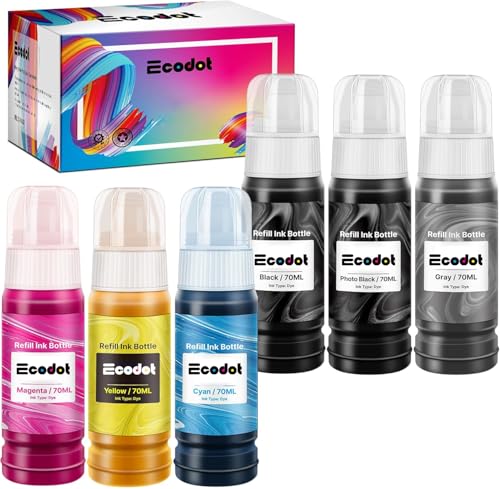
Unlike HP’s approach, Epson’s EcoTank printers offer a different model. With EcoTank printers, you purchase bottles of ink to refill the printer’s tanks. You own the ink, and there are no subscription fees or cartridge returns. This model can be more cost-effective in the long run, especially for users who print frequently. Check out our comparison of Ecotank vs. Megatank: The Ultimate Ink Tank Printer Showdown.
Hidden Cost #4: Long-Term Cost vs. Alternatives
Phone cases - Sponsored - 15% off first order
Phone Cases For Charity - Every case supports a cause Code GIVE10
While Instant Ink may seem cheaper in the short term, a long-term cost comparison reveals that it might not always be the most economical option.
The Break-Even Point: When Instant Ink Becomes More Expensive
The break-even point depends on your printing volume and the specific Instant Ink plan you choose. For low-volume users who print infrequently, traditional ink cartridges or even refilling cartridges may be more cost-effective.
Compatible Cartridges: A Savings Alternative
Compatible ink cartridges, offered by third-party manufacturers, can provide significant savings compared to OEM cartridges. While there are concerns about quality and warranty issues, many reputable brands offer high-quality compatible cartridges that perform well. We routinely test third-party cartridges for quality and longevity.
Refilling Cartridges: The Ultimate Savings
Refilling your own ink cartridges is the most cost-effective option, but it requires some effort and skill. With a high-quality refill kit, you can save up to 90% compared to buying new cartridges. However, it’s essential to follow the instructions carefully to avoid damaging your printer or creating a mess. We have a guide on How to Properly Refill Ink Cartridges: A Step-by-Step Guide.
Long-Term Cost Analysis: A Real-World Comparison
Let’s compare the long-term cost of HP Instant Ink with traditional cartridges and refill kits.
- HP Instant Ink (100-page plan): $10 per month = $120 per year.
- Traditional HP 65 Black Cartridge: (Links to affiliate product page) One cartridge prints approximately 300 pages and costs $20. If you print 1200 pages per year, you’ll need 4 cartridges, costing $80.
- Ink Refill Kit: A refill kit costs $30 and can refill a cartridge multiple times. Over a year, you might spend $40-50 on ink, depending on usage.
In this scenario, traditional cartridges are cheaper than Instant Ink, and refill kits offer the most significant savings.
Making an Informed Decision
HP Instant Ink can be a convenient option for some users, but it’s essential to be aware of the hidden costs before subscribing. Consider your printing volume, printing habits, and long-term cost implications. Compare the cost of Instant Ink with traditional cartridges, compatible cartridges, and refill kits. Weigh the convenience of automatic ink delivery against the restrictions and data collection concerns. By carefully evaluating these factors, you can make an informed decision about whether HP Instant Ink is truly the right choice for your printing needs.
Watchdog picks
- B000VKGRF0Check on Amazon → · Buy on Amazon
- B0CZSFG7VXCheck on Amazon → · Buy on Amazon
- B07ZHTFF44Check on Amazon → · Buy on Amazon
- Soldering Iron Kit, 60W LED Display Digital Solder Pen, 5 Replaceable Tips, 21-iCheck on Amazon → · Buy on Amazon
- B001ET73J2Check on Amazon → · Buy on Amazon
- B0F7KKY728Check on Amazon → · Buy on Amazon
- B08VF3XRQ8Check on Amazon → · Buy on Amazon
- B0GMKRR64PCheck on Amazon → · Buy on Amazon
Products in this guide
- HP 65 Black Ink Cartridge | Works with AMP 100, DeskJet 2600, 3700; Envy 5000 | Eligible for Instant Ink | N9K02ANCheck on Amazon →
- HP 962 Cyan, Magenta, Yellow Ink Cartridges | Works with OfficeJet 9010, 9020 | Eligible for Instant Ink | 3YP00ANCheck on Amazon →
- HP 962XL Black High-Yield Ink Cartridge | Works with OfficeJet 9010, Pro 9010, 9020 | Eligible for Instant Ink | 3JA03ANCheck on Amazon →
- HP DeskJet 2755 Wireless All-in-One Printer, Mobile Print, Scan & Copy, Instant Ink Ready, Works with Alexa (3XV17A)Check on Amazon →