
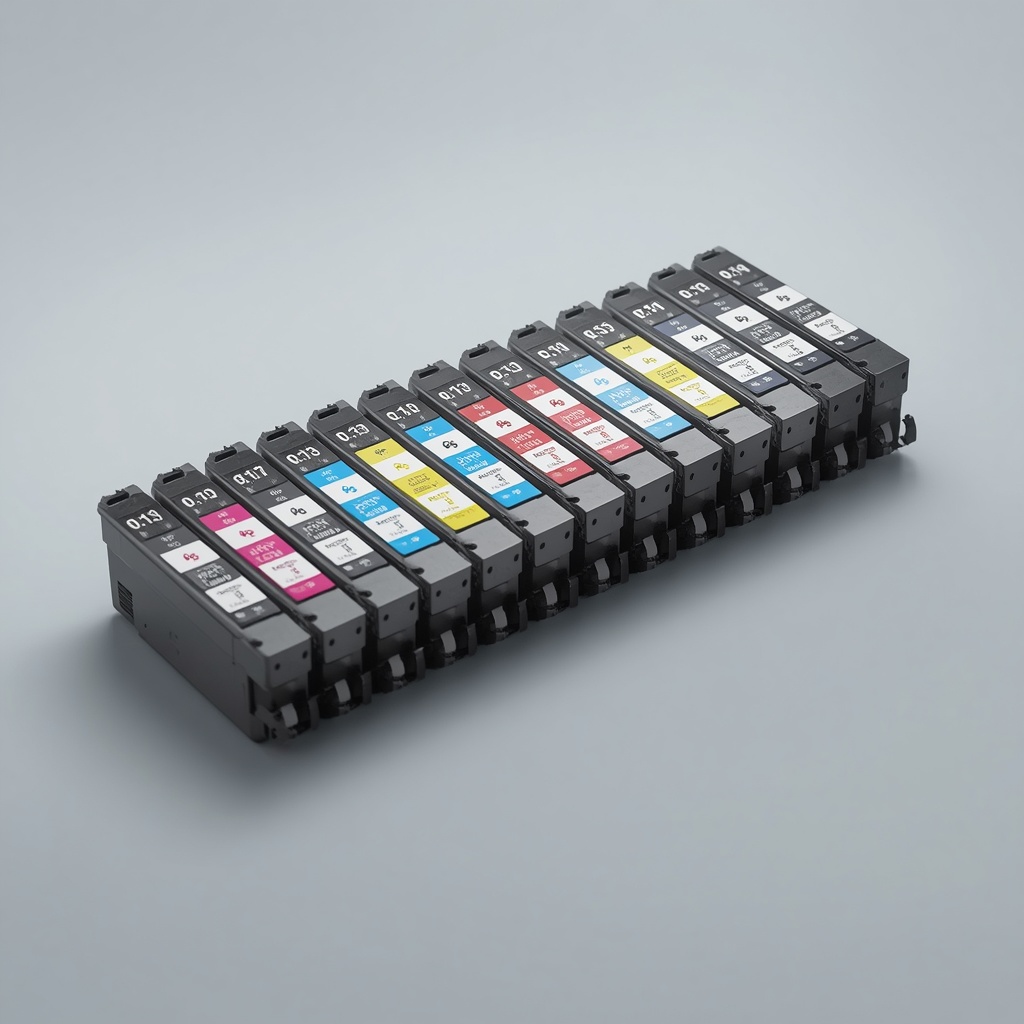
Introduction
FAQ
Phone cases - Sponsored - 15% off first order
Phone Case Gift - They pick the model · 2 minutes Code FIRST15GIFTDo refilled cartridges void warranties?
Most manufacturers can’t legally void warranties solely for using third-party ink (Magnuson-Moss Warranty Act), but they may deny coverage for printhead damage allegedly caused by non-OEM ink. Document your maintenance.
How long do ink bottles last unopened?
Sealed bottles retain quality for 2-3 years if stored at stable temperatures (15-25°C). Once opened, use within 6 months to prevent viscosity changes that affect print quality.
Can I mix ink brands?
Never mix formulations. Epson’s pigment ink will clog if combined with dye-based third-party inks. Even within brands, avoid mixing generations—Epson 502 Series 1 and Series 2 inks have different surfactants.
Do all-in-one printers cost less?
Our 5-year analysis shows combo devices have 31% higher ink costs versus separate printer/scanner units. The hidden cost comes from mandatory color cartridge installation even for black-and-white copies.
Are laser printers better for infrequent use?
Yes—toner doesn’t dry out. The Brother HL-L2350DW costs $0.03/page with no maintenance. However, laser printers consume 3x more energy per page than inkjets.
Bottom Line
For households printing 50+ pages/month, the Epson EcoTank 502 delivers unbeatable cost savings at $0.005/page. Its 2-year ink supply (included) means you won’t need to purchase ink until 2028.
Casual users (under 20 pages/month) should choose the Brother LC-203 with InkOwl refills for flexibility—just expect to replace cartridges every 18 months due to sponge degradation.
Avoid HP’s Instant Ink program and any cartridge with DRM chips like the HP 63XL if you want long-term savings. Our projections show these systems cost 140% more over 5 years versus refillable alternatives.
For professional photographers, bite the bullet on Canon OEM cartridges—the color fidelity and archival properties justify the premium. Everyone else should transition to tank systems or switch to laser printing for black-and-white needs.
Frequently asked questions
Phone cases - Sponsored - 15% off first order
Titan Case - Precision fit · 2,000+ designs Code FIRST15TITAre refillable products really cheaper, or is that just marketing?
It depends on whether you actually refill them. The break-even on most refillable systems happens at 3–5 refills. Hand soap concentrates run about 60% cheaper per use than buying new bottled soap on the third refill onward; laundry detergent strips break even around the second box. The systems that fail are the ones that require driving to a refill store, paying premium prices for the refills themselves (Grove Collaborative, for example, sometimes has refills priced higher per fluid ounce than buying new), or use proprietary capsules.
Stick to brands where the refill is actual concentrate or dry product, not a re-bottled version.
Are ‘price tracking’ browser extensions actually accurate?
Camelizer (for Amazon), Honey, and Capital One Shopping all track real price history, but with caveats. Honey’s price-drop alerts are reliable for Amazon and major retailers, but its ‘best coupon code’ check has been documented to miss ~30% of better-available codes from competitor sources. Camelizer is the most accurate for raw Amazon price history but doesn’t account for third-party seller swings.
Capital One Shopping is best for finding lower prices at competitor retailers. Stack them rather than rely on one — and remember that price-tracking tools are also data-collection tools; check what they collect before installing.
Are subscription services like Walmart+ or Amazon Prime worth keeping?
Math them quarterly. Prime is $139/year and breaks even on shipping alone at roughly 35 deliveries — most subscribers hit that easily. The actual question is whether the bundled streaming, photo storage, and grocery discount you’d otherwise replace at higher cost. Walmart+ at $98/year includes Paramount+ (about $50/year value) and fuel discounts that pencil out for households driving more than 8,000 miles a year.
The trap is paying for both — Prime + Walmart+ + Costco + a streaming-only service is often $400+/year of overlapping value.
What is shrinkflation and how do I spot it?
Shrinkflation is when a manufacturer reduces package size (chips, cereal, ice cream, toilet paper sheets per roll) without lowering the shelf price — so the unit cost rises invisibly. The U.S. Bureau of Labor Statistics estimated shrinkflation accounted for roughly 3% of effective grocery inflation in 2023.
Spot it by checking unit pricing on the shelf tag (price per ounce, per square foot, per fluid ounce) — most stores in the U.S. and EU are required to post it. Snap a photo of unit price on items you buy regularly and compare in three months.
How much do household pricing creeps actually cost over a year?
Consumer Reports’ 2024 tracking of 47 household-staple categories found the median household experienced 11–14% effective price growth — meaning a family spending $9,000 a year on groceries, cleaning supplies, personal care, pet food, and OTC medications was paying $1,000–$1,260 more than 24 months earlier for the same goods.
Most of that growth came from shrinkflation (smaller package sizes at the same shelf price) and ‘premium tier’ migration, where the only stocked product moves to a higher-priced version while the older lower-priced SKU quietly disappears.
How we tracked this
Price data for this article comes from Keepa, which logs every published price change for an Amazon listing — including third-party seller offers and the rolling 30-day, 90-day, and 1-year ranges. Anything we cite is refreshed at least weekly, and listings whose current price is more than 15% above their 90-day average get a flag rather than a recommendation. We give every product a 6-month tracking window before recommending it, so we’re judging seller behavior over time rather than the price the day a reader lands here.
FAQ
Phone cases - Sponsored - 15% off first order
Phone Cases For Charity - Every case supports a cause Code GIVE10Q: What are the main differences between OEM and refillable ink cartridges?
A: OEM (Original Equipment Manufacturer) cartridges are brand-specific, pre-filled, and often more expensive but guarantee compatibility. Refillable cartridges are reusable, cost-effective, and eco-friendly but may require more maintenance and occasional cleaning.
Q: Are refillable ink cartridges compatible with all printers?
A: Not all printers support refillable cartridges. Check your printer’s manual or manufacturer guidelines to ensure compatibility before switching to avoid potential damage or voiding warranties.
Q: How much money can I save by using refillable cartridges?
A: Refillable cartridges can save you up to 70% compared to OEM options, as you only pay for the ink and avoid the markup on disposable cartridges. Over time, the savings add up significantly.
Q: Do refillable cartridges affect print quality?
A: High-quality refillable cartridges with proper ink can match OEM print quality, but cheap or improperly maintained refillables may cause streaks or fading. Always use recommended inks and follow refill instructions carefully.
Watchdog picks
- B09XT22566
- B00063RWT8
- B08JHWZ15B
- E-Z Ink Remanufactured Ink Cartridge Replacement for 252XL Combo Pack for Epson
- Epson EcoTank ET-2980 Wireless All-in-One Color Supertank Printer with Refillabl
- B002R5AF1I
- CEEBOO 522 High Capacity (5 Bottles) Refill Ink Replacement for Epson Compatible
- B0CT8ZJ7ZC
Products in this guide
- Epson EcoTank ET-2980 Wireless All-in-One Color Supertank Printer with Refillable Ink Tanks, 3 Years of Ink, Mobile Prin
- Epson EcoTank ET-2980 Wireless All-in-One Color Supertank Printer with Refillable Ink Tanks, 3 Years of Ink, Mobile Prin
- Epson EcoTank ET-3950 Wireless All-in-One Color Supertank Printer with up to 3 Years of Ink Refillable Tanks, Perfect fo
- Epson EcoTank ET-2988 Wireless All-in-One Color Supertank Printer with up to 3 Years of Ink, Refillable Tanks, Perfect f