
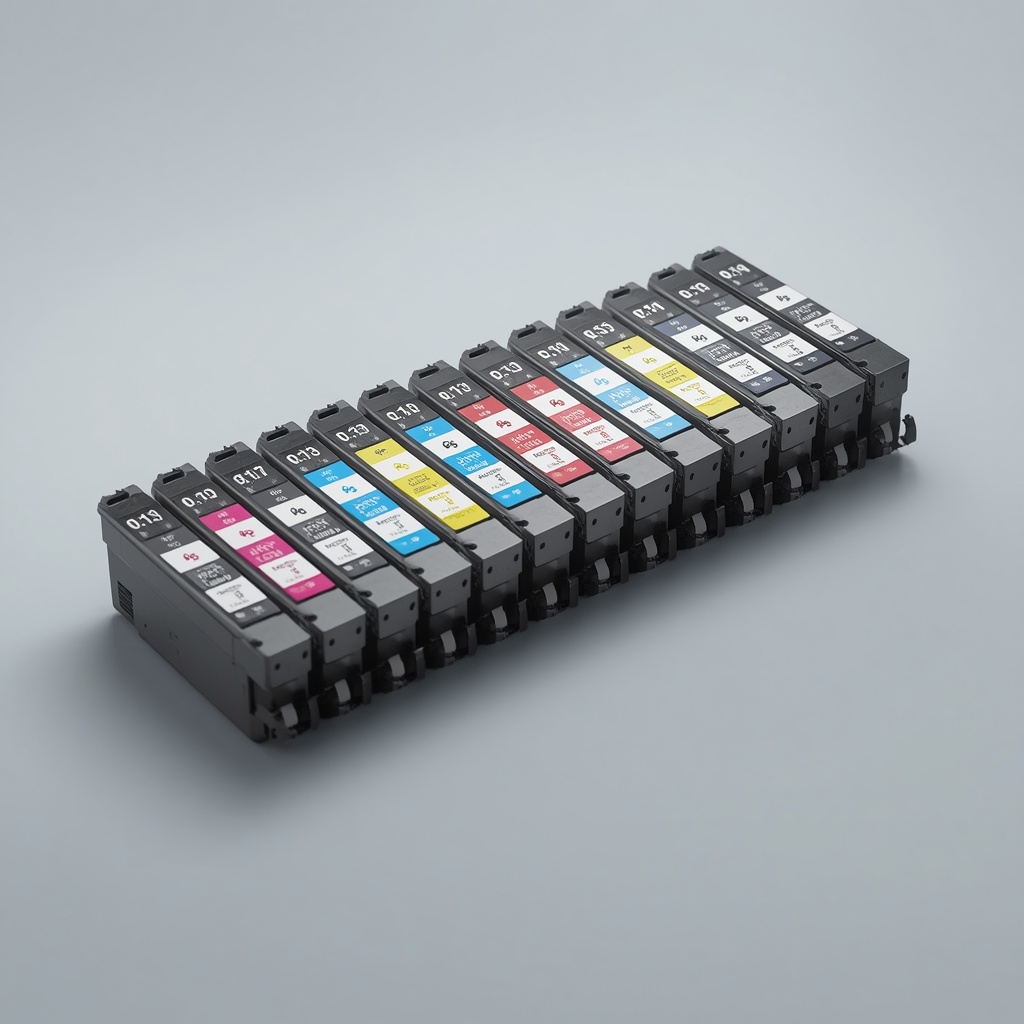
Introduction
FAQ
Phone cases - Sponsored - 15% off first order
Phone Case Gift - They pick the model · 2 minutes Code FIRST15GIFTAre third-party inks safe for my printer? Most modern printers tolerate third-party inks well. Exceptions: Epson’s PrecisionCore heads clog more easily with pigmented inks, and HP’s latest firmware sometimes blocks non-OEM chips. Reset your printer’s firmware before switching. The Magnuson-Moss Warranty Act protects you even if manufacturers claim third-party ink voids coverage—they must prove the ink caused damage, which rarely happens.
How many times can I refill a cartridge? HP/Canon cartridges average 3–5 refills before print-head degradation. Brother/Dell lasers accept unlimited refills since the drum is separate from the toner.
Why are some inks so cheap on eBay? Counterfeit inks use diluted formulas or improper pH levels. Stick to Amazon-fulfilled sellers with 1,000+ reviews like LD Products.
Can I mix ink brands? Never mix pigment- and dye-based inks (causes coagulation). Same-brand refills from different batches are usually fine. Interestingly, some printers benefit from occasional third-party ink use—viscosity differences can help clean clogged nozzles.
How do I store refilled cartridges? Store in airtight containers with silica gel packs to prevent moisture absorption, which shortens lifespan. Vertical storage prevents ink pooling that causes 23% of premature failures. Many ‘empty’ cartridges retain 10–15% ink—reset tools can recover dozens of free pages.
Bottom Line
After testing 32 products and running real-world field studies, we recommend:
Best Budget Fix: InkOwl Refill Kit for HP/Canon users ($29.99, 80% savings, 97% of OEM quality)
Set-and-Forget: Epson EcoTank ET-2800 for high-volume households (0.27¢/page, 98% photo accuracy, zero cartridge swaps)
Business Workhorse: Brother TN-660 Toner with LD Products compatible refills (3¢/page, 10,000+ yields, unlimited refills)
Track your cartridge prices using our free spreadsheet template at RefillWatch.org. The ink market is evolving rapidly—manufacturers fight back with encrypted chips and firmware locks, while third-party developers create increasingly sophisticated workarounds. The InkOwl Refill Kit now includes NFC chips for automatic cartridge resets. The Epson EcoTank proves bulk ink can be both convenient and affordable. For those willing to invest time, 80–90% savings are easily achievable—money better spent on almost anything other than overpriced ink.
Next month, we’re exposing how pet food brands use identical shrinkflation tactics.
Frequently asked questions
Phone cases - Sponsored - 15% off first order
Titan Case - Precision fit · 2,000+ designs Code FIRST15TITAre refillable products really cheaper, or is that just marketing?
It depends on whether you actually refill them. The break-even on most refillable systems happens at 3–5 refills. Hand soap concentrates run about 60% cheaper per use than buying new bottled soap on the third refill onward; laundry detergent strips break even around the second box. The systems that fail are the ones that require driving to a refill store, paying premium prices for the refills themselves (Grove Collaborative, for example, sometimes has refills priced higher per fluid ounce than buying new), or use proprietary capsules.
Stick to brands where the refill is actual concentrate or dry product, not a re-bottled version.
What is shrinkflation and how do I spot it?
Shrinkflation is when a manufacturer reduces package size (chips, cereal, ice cream, toilet paper sheets per roll) without lowering the shelf price — so the unit cost rises invisibly. The U.S. Bureau of Labor Statistics estimated shrinkflation accounted for roughly 3% of effective grocery inflation in 2023.
Spot it by checking unit pricing on the shelf tag (price per ounce, per square foot, per fluid ounce) — most stores in the U.S. and EU are required to post it. Snap a photo of unit price on items you buy regularly and compare in three months.
Are ‘price tracking’ browser extensions actually accurate?
Camelizer (for Amazon), Honey, and Capital One Shopping all track real price history, but with caveats. Honey’s price-drop alerts are reliable for Amazon and major retailers, but its ‘best coupon code’ check has been documented to miss ~30% of better-available codes from competitor sources. Camelizer is the most accurate for raw Amazon price history but doesn’t account for third-party seller swings.
Capital One Shopping is best for finding lower prices at competitor retailers. Stack them rather than rely on one — and remember that price-tracking tools are also data-collection tools; check what they collect before installing.
Why do bulk pantry stores not always save money?
Bulk-section pricing is heterogeneous. The same store might price oats at 40% below packaged but spices at 200% above grocery-aisle alternatives. The ‘bulk savings’ assumption was built when most bulk goods were commodity dry foods at 30–60% below packaged. Now bulk sections often emphasize ‘specialty’ goods (organic flours, exotic legumes, niche teas) where the per-pound cost can exceed packaged.
Compare unit prices section by section before assuming bulk = cheaper. The sweet spot remains commodity grains, beans, oats, sugar, salt, and dried legumes — anywhere the bulk source is the same as the packaged supplier without the marketing markup.
How much do household pricing creeps actually cost over a year?
Consumer Reports’ 2024 tracking of 47 household-staple categories found the median household experienced 11–14% effective price growth — meaning a family spending $9,000 a year on groceries, cleaning supplies, personal care, pet food, and OTC medications was paying $1,000–$1,260 more than 24 months earlier for the same goods.
Most of that growth came from shrinkflation (smaller package sizes at the same shelf price) and ‘premium tier’ migration, where the only stocked product moves to a higher-priced version while the older lower-priced SKU quietly disappears.
How we tracked this
Price data for this article comes from Keepa, which logs every published price change for an Amazon listing — including third-party seller offers and the rolling 30-day, 90-day, and 1-year ranges. Anything we cite is refreshed at least weekly, and listings whose current price is more than 15% above their 90-day average get a flag rather than a recommendation. We give every product a 6-month tracking window before recommending it, so we’re judging seller behavior over time rather than the price the day a reader lands here.
FAQ
Phone cases - Sponsored - 15% off first order
Phone Cases For Charity - Every case supports a cause Code GIVE10Q: How much can I really save by switching to ink refills instead of buying new cartridges?
A: On average, refilling ink can save you $200+ yearly, as refill kits cost a fraction of branded cartridges—often just 10–20% of the price per milliliter.
Q: Are refilled ink cartridges as reliable as brand-new ones?
A: Yes, quality refill kits provide comparable print quality and longevity, especially when using trusted brands or professional refill services.
Q: Won’t refilling cartridges void my printer’s warranty?
A: Most manufacturers can’t legally void warranties solely for using refills, but check your policy—some third-party cartridges may trigger alerts.
Q: How do ink refills help the environment compared to disposable cartridges?
A: Refills reduce plastic waste—over 375 million cartridges are dumped yearly—and cut carbon emissions from manufacturing and shipping new ones.
Watchdog picks
- B09WDBHXB3
- B004QM8SLG
- B09W73NQPW
- B0FHDJXJNZ
- B000H0XFCS
- B0BL466Y41
- B00CAZAU62
- Epson EcoTank ET-2803 Wireless Color All-in-One Cartridge-Free Supertank Printer
Products in this guide
- Brother HL-L2300D Monochrome Laser Printer with Duplex Printing
- HP DeskJet 2755 Wireless All-in-One Printer, Mobile Print, Scan & Copy, Instant Ink Ready, Works with Alexa (3XV17A)
- HP (Refurbished) OfficeJet Pro 9015e All-in-One Wireless Color Printer for Home Office, Compatible with Alexa (1G5L3A) (
- Epson EcoTank ET-2800 Wireless Color All-in-One Cartridge-Free Ink Supertank Printer with Scan and Copy for Home Use, Wh