
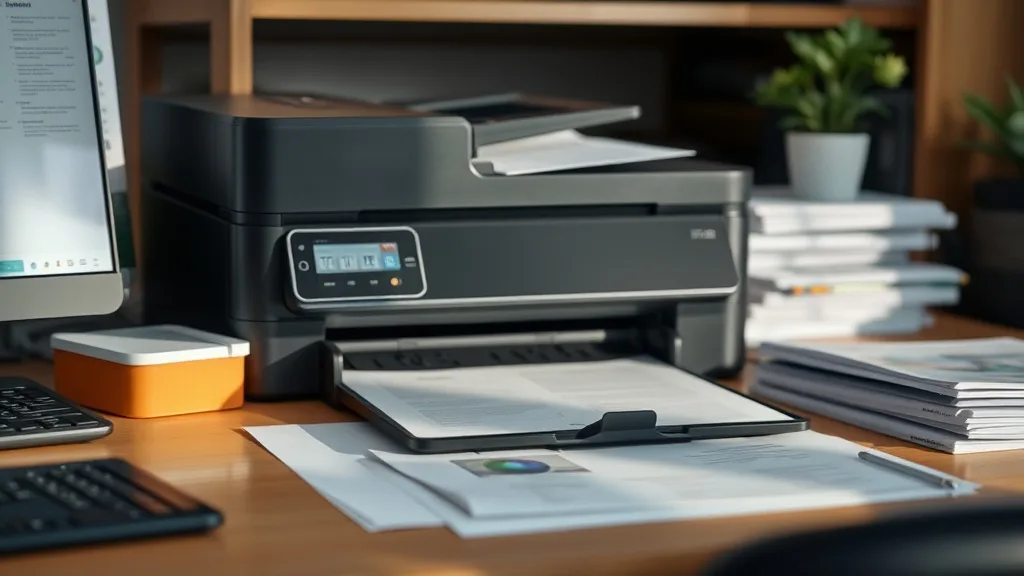
Many high-volume printer owners face a persistent dilemma: brand-name toner cartridges cost a fortune, but switching to compatible (third-party) toner feels risky. You want to reduce your printing costs without sacrificing reliability or print quality—so is it truly worth buying compatible toner for heavy printing jobs? This guide will help you break down the real cost savings, yield differences, compatibility risks, and overall value, so you can make an informed choice.
What Is Compatible Toner?
Compatible toner cartridges are third-party replacements designed to work with brand-name laser printers. Unlike remanufactured or refilled cartridges that reuse an OEM shell, compatible toner cartridges are newly made, often with aftermarket parts tailored to fit specific printer models. They are not counterfeit but are manufactured to be functional equivalents outside the OEM supply chain.
This third-party manufacturing often allows compatible cartridges to be sold at a fraction of the price charged by brand-name cartridges. However, “compatible” quality and yield can vary significantly depending on the manufacturer and cartridge model.
See also: Cost Comparison: OEM Ink vs Compatible Ink Over One Year
How Compatible Toner Works Compared to OEM Toner
Phone cases - Sponsored - 15% off first order
Phone Case Gift - They pick the model · 2 minutes Code FIRST15GIFT-
Chemical Composition and Quality
OEM toner powder formulations are closely guarded and optimized for print quality, toner adhesion, and printer wear. Compatible toner manufacturers reverse engineer these formulas or use alternative blends. Some compatible toners match OEM quality closely, while others fall short in color fidelity or durability. -
Yield (Page Count) Differences
The page yield of a toner cartridge is a key factor in cost-per-page calculations. Yield is the number of pages printed before toner runs out, usually measured at 5% page coverage. Compatible cartridges sometimes advertise yields near or equal to OEM, but real user results may vary due to toner formulation or cartridge design. -
Chip and Firmware Interactions
Modern printers use chips embedded in OEM cartridges to prevent the use of unlicensed cartridges or to enforce expiration dates. Compatible toners may use cloned or workaround chips to communicate with the printer. Printer firmware updates can occasionally block compatible cartridges or degrade their compatibility, leading to “cartridge not recognized” errors. -
Impact on Printer Longevity
Poorly manufactured compatible toners can cause clogs, leaks, or other printer damage, increasing maintenance costs. High-quality compatibles try to match OEM standards, but risks remain.
When Should You Consider Compatible Toner for High-Volume Printing?
The decision depends on your specific printing environment and priorities. Compatible toner tends to be worth considering when:
-
Cost Per Page Is a Major Concern
If your printing volume is high (thousands of pages per month), even small differences in cost per cartridge add up dramatically. Compatible toners generally cost 30–60% less upfront, substantially lowering running costs. -
Printer Warranty or Service Contracts Are Not At Risk
Using compatible toner can sometimes void printer warranty or service agreements, so consider whether you’re willing to accept this trade-off. -
Your Printer Model Is Well Supported by Trusted Compatible Brands
Some printer models have better compatible cartridge availability and positive user reports, reducing risks. -
You Have a Printer Fleet for Which Downtime Is Manageable
If your printing needs can tolerate occasional cartridge replacement issues or print quality variations, compatible toner may be viable. For mission-critical or high-stakes environments, OEM toner offers maximum reliability. -
You Are Willing to Test and Source Carefully
Not all compatibles are created equal. Researching reviews, supplier reputation, and warranty terms helps identify high-quality options.
Common Pitfalls with Compatible Toner in High-Volume Settings
Phone cases - Sponsored - 15% off first order
Titan Case - Precision fit · 2,000+ designs Code FIRST15TIT-
Yield Variance and Lower Page Counts
Compatible cartridges sometimes fall short of OEM yields by 10–30%. This means you may need to replace cartridges more often, impacting cost-effectiveness. -
Printer Firmware Blocking
Firmware updates can cause printers to reject compatible toner cartridges. Reversal needs workaround tricks or cartridge chip replacements. -
Print Quality Issues
Variability in toner powder and cartridge parts can cause lighter prints, streaking, or smudging, requiring reprints or additional troubleshooting. -
Compatibility Risk With New Printer Models
Newer printers with advanced chip locking are harder for compatible toner makers to support promptly. -
Potential Printer Damage
Low-qualitycompatible toner may cause toner leaks or premature wear on printer parts like the drum or fuser.
Cost-Per-Page Comparison: Compatible vs. OEM Toner
A key metric for high-volume printing is the cost per printed page (CPP). This takes into account cartridge price and yield. Here’s a simplified comparison using example data:
| Feature | Brand-Name Cartridge | Compatible Toner Cartridge |
|---|---|---|
| Average Price | $120 | $60 |
| Claimed Page Yield | 3,000 pages | 2,500 pages |
| Effective Cost Per Page ($/page) | $0.04 | $0.024 |
| Yield Risk | Low (well-defined by OEM) | Moderate (varies by supplier) |
| Chip Lockouts | None (fully compatible) | Possible after firmware updates |
| Print Quality Reliability | High | Medium to High (supplier-dependent) |
| Warranty Impact | Maintains printer warranty | Possible voiding of warranty |
| Printer Damage Risk | Minimal | Slightly increased risk |
In this example, the compatible toner reduces CPP by roughly 40%, which is substantial over thousands of pages. However, you accept slightly shorter yields, possible compatibility hiccups, and quality trade-offs that vary by supplier.
Tips to Maximize Compatible Toner Success in High-Volume Printing
Phone cases - Sponsored - 15% off first order
Phone Cases For Charity - Every case supports a cause Code GIVE10-
Choose Reputable Compatible Cartridge Brands
Look for vendors with transparent specifications, good customer reviews, and clear warranty policies. -
Buy in Bulk for Consistent Supply and Price Lock-Ins
High-volume printers run more smoothly with steady access to toner. Buying multiple cartridges at once can also reduce per-cartridge pricing. -
Test New Compatible Cartridges in a Controlled Setting First
Run a pilot test before deploying compatible toner across all printers to catch any compatibility or quality issues early. -
Keep Firmware Updates on Hold or Research Compatibility Before Updating
Avoid unplanned printer firmware upgrades that may block compatible cartridges. -
Regularly Clean Your Printer
Compatible toners sometimes produce more residual toner dust; scheduled maintenance reduces risk of jams and damage. -
Calculate Your Real Cost Per Page Often
Track actual yield and cartridge costs over time to verify ongoing savings versus OEM cartridges.
Conclusion
Compatible toner cartridges offer compelling cost savings for high-volume printing but come with trade-offs in yield consistency, print quality, and compatibility risks (especially chip lockouts). For businesses and heavy printer users where cost-cutting is essential, carefully sourced compatible toner combined with prudent management can deliver significant savings without unacceptable reliability loss.
However, if print quality and maximum printer uptime are critical, OEM cartridges remain the safer but costlier choice. Ultimately, running side-by-side tests and factoring in real-world CPP and risk factors will help you decide if compatible toner is a worthwhile investment for your unique printing demands.
Frequently Asked Questions
Q: Will using compatible toner void my printer’s warranty?
A: It depends on your printer manufacturer’s policy. Some declare that third-party toner voids warranty, though enforcement varies. Check your warranty terms and be aware that manufacturer repairs due to compatible toner damage may not be covered.
Q: How often do printer firmware updates disable compatible toner?
A: Firmware updates that block compatible cartridges happen irregularly, often when printer manufacturers tighten anti-counterfeit protections. Staying on firmware versions confirmed compatible or delaying automatic updates mitigates this risk.
Q: Can compatible toner damage my printer?
A: Low-quality compatible toner can increase wear on printer components if it produces excess dust or leaks. Choosing top-rated compatible brands and proper maintenance generally reduces this risk substantially.
Top Picks
Watchdog picks
- B07P5BNQJG
- AZ Compatible Toner Cartridge Replacement for Dell 1250 (1250BK) use in Color La
- CEEBOO 522 High Capacity (5 Bottles) Refill Ink Replacement for Epson Compatible
- B01N4IWH2O
- B0FMBTJLX6
- B0FHDJXJNZ
- Brother Genuine TN730 3-Pack Standard Yield Black Toner Cartridge with Approxima
- TEINO Remanufactured 65XL Ink Cartridge Replacement for HP Envy 5055 5052 DeskJe
Products in this guide
- Inkjet Refill Kit Pro — Compatible with HP, Canon, Epson, and Lexmark Cartridges
- Brother Genuine TN760 High Yield Black Toner Cartridge, (for use with MFC-L2710DW MFC-L2750DW HL-L2350DW HL-L2370DW HL-L
- AOLIBE MLT-D111S Toner Cartridge High Yield Compatible for Samsung 111S MLT111S D111S Work with Samsung Xpress M2020W M2
- MLT-D111S 111S Toner Cartridge High Yield Replacement for Samsung MLT-D111S MLTD111S D111S to use with Xpress M2020W Ton