
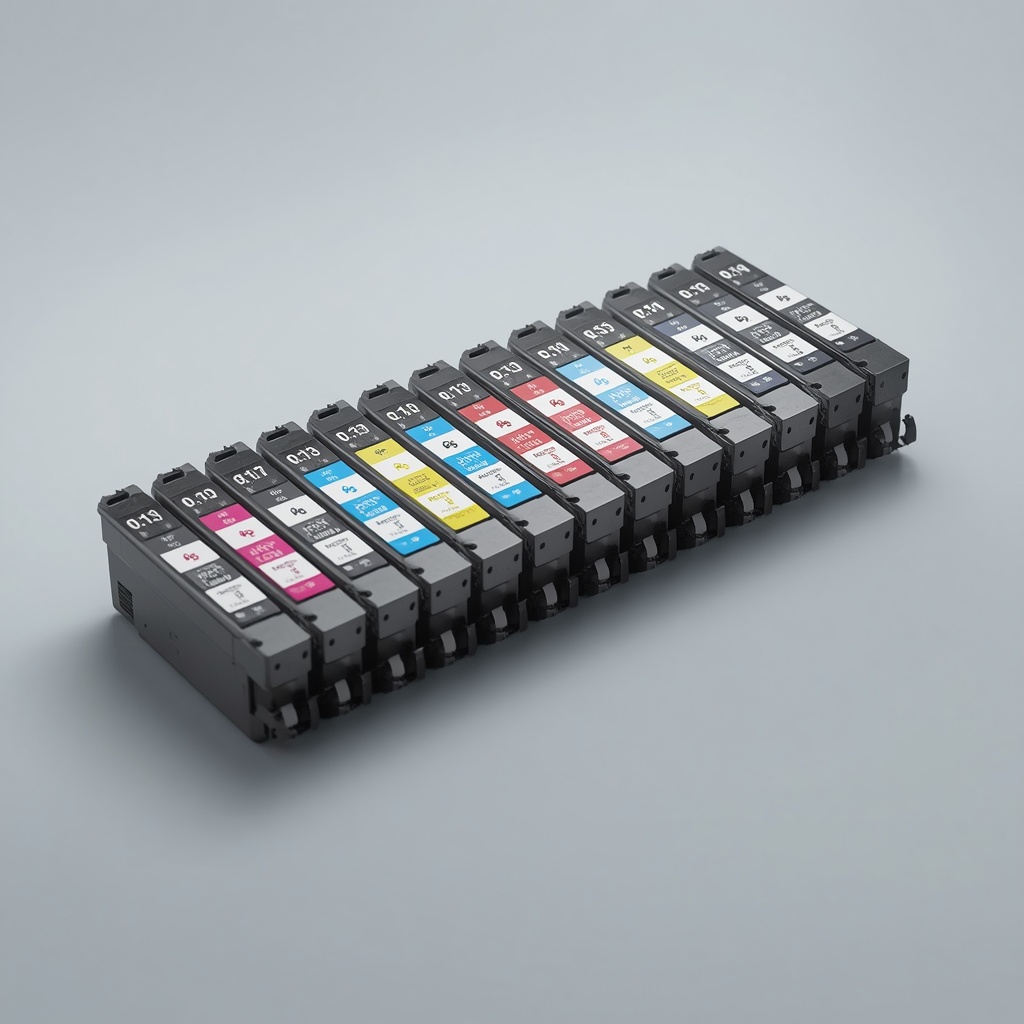
Printer Ink Price Hikes: What We Found
Frequently asked questions
Phone cases - Sponsored - 15% off first order
Phone Case Gift - They pick the model · 2 minutes Code FIRST15GIFTHow much do household pricing creeps actually cost over a year?
Consumer Reports’ 2024 tracking of 47 household-staple categories found the median household experienced 11–14% effective price growth — meaning a family spending $9,000 a year on groceries, cleaning supplies, personal care, pet food, and OTC medications was paying $1,000–$1,260 more than 24 months earlier for the same goods.
Most of that growth came from shrinkflation (smaller package sizes at the same shelf price) and ‘premium tier’ migration, where the only stocked product moves to a higher-priced version while the older lower-priced SKU quietly disappears.
What is shrinkflation and how do I spot it?
Shrinkflation is when a manufacturer reduces package size (chips, cereal, ice cream, toilet paper sheets per roll) without lowering the shelf price — so the unit cost rises invisibly. The U.S. Bureau of Labor Statistics estimated shrinkflation accounted for roughly 3% of effective grocery inflation in 2023.
Spot it by checking unit pricing on the shelf tag (price per ounce, per square foot, per fluid ounce) — most stores in the U.S. and EU are required to post it. Snap a photo of unit price on items you buy regularly and compare in three months.
Are ‘price tracking’ browser extensions actually accurate?
Camelizer (for Amazon), Honey, and Capital One Shopping all track real price history, but with caveats. Honey’s price-drop alerts are reliable for Amazon and major retailers, but its ‘best coupon code’ check has been documented to miss ~30% of better-available codes from competitor sources. Camelizer is the most accurate for raw Amazon price history but doesn’t account for third-party seller swings.
Capital One Shopping is best for finding lower prices at competitor retailers. Stack them rather than rely on one — and remember that price-tracking tools are also data-collection tools; check what they collect before installing.
Are subscription services like Walmart+ or Amazon Prime worth keeping?
Math them quarterly. Prime is $139/year and breaks even on shipping alone at roughly 35 deliveries — most subscribers hit that easily. The actual question is whether the bundled streaming, photo storage, and grocery discount you’d otherwise replace at higher cost. Walmart+ at $98/year includes Paramount+ (about $50/year value) and fuel discounts that pencil out for households driving more than 8,000 miles a year.
The trap is paying for both — Prime + Walmart+ + Costco + a streaming-only service is often $400+/year of overlapping value.
Are refillable products really cheaper, or is that just marketing?
It depends on whether you actually refill them. The break-even on most refillable systems happens at 3–5 refills. Hand soap concentrates run about 60% cheaper per use than buying new bottled soap on the third refill onward; laundry detergent strips break even around the second box. The systems that fail are the ones that require driving to a refill store, paying premium prices for the refills themselves (Grove Collaborative, for example, sometimes has refills priced higher per fluid ounce than buying new), or use proprietary capsules.
Stick to brands where the refill is actual concentrate or dry product, not a re-bottled version.
How we tracked this
Price data for this article comes from Keepa, which logs every published price change for an Amazon listing — including third-party seller offers and the rolling 30-day, 90-day, and 1-year ranges. Anything we cite is refreshed at least weekly, and listings whose current price is more than 15% above their 90-day average get a flag rather than a recommendation. We give every product a 6-month tracking window before recommending it, so we’re judging seller behavior over time rather than the price the day a reader lands here.
FAQ
Phone cases - Sponsored - 15% off first order
Titan Case - Precision fit · 2,000+ designs Code FIRST15TITQ: Why have printer ink prices increased by 15–30% this year?
A: The price hikes are due to rising production costs, supply chain disruptions, and manufacturers’ strategies to boost profits by locking consumers into proprietary ink cartridges.
Q: How can switching to refillable ink cartridges save me money?
A: Refillable cartridges cost up to 80% less per milliliter than branded ones, and you only pay for the ink, avoiding the markup on disposable cartridges.
Q: Are eco-friendly ink options as reliable as brand-name inks?
A: Yes, many third-party and refillable inks meet or exceed OEM quality standards, with comparable print quality and longevity when properly maintained.
Q: What’s the environmental impact of using refillable ink instead of disposable cartridges?
A: Refillable cartridges reduce plastic waste by up to 90% per year and cut carbon emissions associated with manufacturing and shipping disposable units.
Watchdog picks
- B07R3N9X3F
- Epson EcoTank ET-2800 Wireless Color All-in-One Cartridge-Free Ink Supertank Pri
- Niagara Sleep Solution Ultra Soft Queen Size Mattress Topper - Rayon Derived fro
- B0D96T79YF
- B0DT1NNNS3
- B0D3XGJ6HW
- Compatible for EPT502 Ink Refill Bottles Eco Tank ET-2850 ET-3850 ET-4850 ET-150
- B00PB6F2V4
Products in this guide
Phone cases - Sponsored - 15% off first order
Phone Cases For Charity - Every case supports a cause Code GIVE10