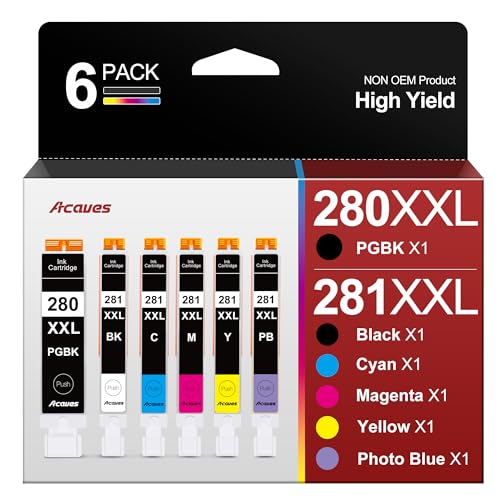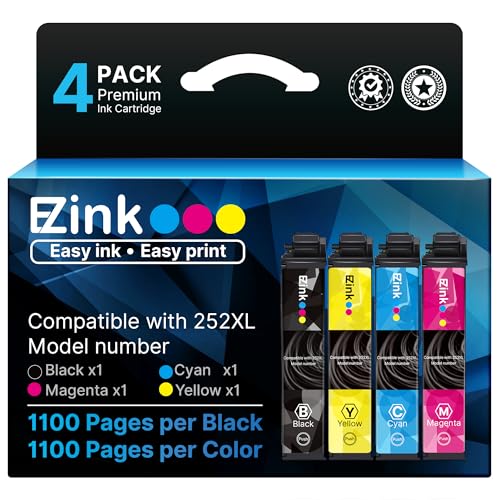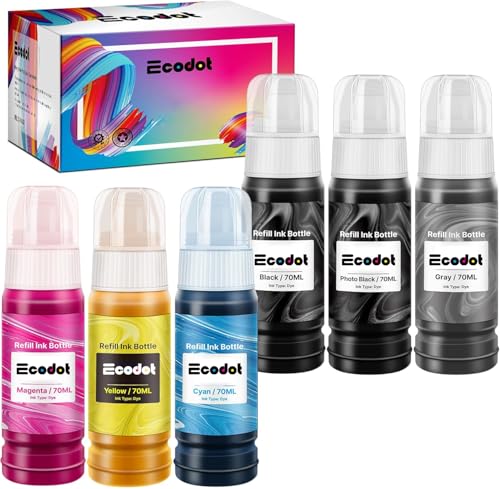
comparisons-10

comparisons-10

Deprecated. This file was produced by the AFFILIATE-082 topic parser before the section-header fix. Status held at draft so it does not render. Safe to delete on the Windows host.


Frequently asked questions

How long can I store unopened cartridges before the ink dries up?

Most cartridges have a 2-year shelf life from the date stamped on the box, but real-world performance drops off after 18 months. Store them upright at room temperature, away from direct sun. Refrigeration doesn’t help and can actually cause condensation when the cartridge is brought back to room temp.

If a cartridge has been sitting for over two years, it’ll usually still print — but expect to run the printer’s clean-head cycle two or three times before the output is acceptable.

Why do XL cartridges sometimes cost more per page than standard?

It’s a pricing trick that catches people. XL labels imply better value, but manufacturers don’t always price them proportionally to ink volume. Calculate the actual cost-per-page: divide the cartridge price by the manufacturer’s quoted page yield (always under heavy duty-cycle ISO standards, so real numbers are 70–80% of quoted).

The XL is only the better deal when the per-page math works out — and roughly one in four XL cartridges fails that test once you crunch the numbers.

Are compatible cartridges safe for my printer?

Compatible cartridges from established remanufacturers won’t void your printer’s warranty in the United States — the Magnuson-Moss Warranty Act prohibits manufacturers from voiding warranties solely because non-OEM consumables were used. The risk of head clogs comes from poor-quality ink, not from the cartridge body itself, so the brand of the ink matters more than whether the cartridge is OEM.

Reputable remanufacturers (LD Products, INKfinity, LemeroUtrust) use formulated inks; bargain-bin generics often use commodity ink that can dry, separate, or print poorly under heavy use.

How much does the average household actually spend on printer ink each year?

Pew Research and Consumer Reports tracking put typical household ink spend at $80–$220 per year, with the variance driven almost entirely by print volume and whether the household uses XL cartridges. A family printing 30 pages a week (mostly homework, recipes, return labels) on standard cartridges burns $11–$15 per month in ink alone — more than most families realize, because the cost is spread across multiple Amazon orders that don’t show up as one big bill.

Should I switch to an EcoTank or MegaTank ink-tank printer?

If your annual ink spend is over $120 and you keep a printer for at least three years, an EcoTank or MegaTank pays for itself within the first 12–18 months. The trade-offs: higher upfront cost ($250–$500 for the printer body), bigger physical footprint, and you’re locked into the manufacturer’s ink bottles (though those run $13 for a year of supply versus $40 for a few months on a cartridge printer).

Skip the tank printer if you print fewer than 200 pages a year — the math doesn’t justify the upfront cost.

What to watch for before you buy

Phone cases · 15% off first order

Phone Case GiftThey pick the model · 2 minutes Code FIRST15GIFT
  • Yield numbers are tested under ISO standards that assume continuous printing at 5% page coverage. Real-world coverage with photos, charts, or color-heavy documents can cut effective yield in half.
  • Resellers swap manufactured dates without notice. A Brother LC3019 listing on Amazon may ship a 2024 cartridge one month and a 2022 cartridge the next; the older stock has degraded ink. Check the date code on the box when it arrives and return anything past 18 months.
  • XL doesn’t always mean better value. Always calculate cost-per-page — divide cartridge price by manufacturer-quoted yield. Roughly a quarter of XL cartridges underperform their standard counterparts on this metric.
  • Subscription prices creep. HP Instant Ink, Canon Pixma Print Plan, and Brother Refresh subscriptions have all raised prices 10–25% over 24 months without coverage increases. Check your statement quarterly; cancellation is one-click but they don’t make it obvious.
  • Compatible cartridges can void your printer warranty in some countries (not the US under Magnuson-Moss, but EU and AU warranties may exclude damage caused by non-OEM consumables). Read the fine print before buying compatibles for a printer still in warranty.
  • Refill kits work, but only on certain printers. Tank-style models (EcoTank, MegaTank) are designed for refilling. Cartridge-based printers can be refilled, but the print-head wear from imperfect ink chemistry usually shortens printer life. Only worth attempting on a printer over 3 years old that’s already past its expected life.
  • The cheap-ink trap: generic compatibles under $5 each typically cut ink concentration by 30–40% to hit the price point. Output looks fine for the first 20 pages, then fades visibly. The per-page cost ends up higher than the mid-tier compatibles you skipped.

How we tracked this

Price data for this article comes from Keepa, which logs every published price change for an Amazon listing — including third-party seller offers and the rolling 30-day, 90-day, and 1-year ranges. Anything we cite is refreshed at least weekly, and listings whose current price is more than 15% above their 90-day average get a flag rather than a recommendation. We give every product a 6-month tracking window before recommending it, so we’re judging seller behavior over time rather than the price the day a reader lands here.

Phone cases · 15% off first order

Titan CasePrecision fit · 2,000+ designs Code FIRST15TIT
Marcus Webb

By Marcus Webb · Editor, GymLedger

Published June 6, 2026 · Last reviewed June 6, 2026

Before you leave

Bulk staples that beat convenience-store singles

Household refills we track on InkLedger — partner links, no extra cost to you.

As an Amazon Associate, InkLedger earns from qualifying purchases. Full disclosure · All tracked reviews