Choosing a home printer comes down to one question that most buying guides skip: how much do you actually print, and does photo quality matter to you? Below are direct answers organized around that framework, covering EcoTank, laser, and standard inkjet options.
Matching printer type to how you actually print
- Light, occasional printing (a few pages a month): a standard cartridge inkjet, since tank ink risks clogging if it sits unused too long.
- Heavy text/document printing, no photos: a laser printer — lowest cost-per-page, and toner doesn’t dry out.
- Heavy mixed printing including photos and color: a refillable tank printer — highest upfront cost, lowest ongoing cost.
- Home office needing scan/copy too: a multifunction printer in whichever ink system matches your volume above.
If you’re shopping for a multifunction inkjet specifically, models like the Brother Work Smart 1360Check on Amazon → round out the mid-range option beyond the picks above. For the ongoing cost comparison across all three types, see our ink pricing report, which tracks cost-per-page across OEM, compatible, and tank systems.
Frequently Asked Questions
Do EcoTank printers dry out if not used?
Yes, more so than cartridge printers -- EcoTank printheads can clog if the printer sits completely idle for several weeks, since the open ink tank system doesn't seal ink as tightly as a cartridge does. Printing a test page every 1-2 weeks on a tank printer like the Epson EcoTank ET-2980 prevents most clogging issues before they start.
How long do Epson eco tanks last?
Epson rates EcoTank ink bundles to last 1.5-3 years for an average household, depending on the model and print volume -- the Epson EcoTank ET-3950 ships with up to 3 years of ink included. The tanks themselves (not just the ink) are designed for the life of the printer, which is typically 5+ years with normal use.
Is HP or Epson a better printer?
Neither brand is universally better -- HP tends to have stronger print quality and driver support for offices, while Epson's EcoTank line has a real cost advantage for home users who print a lot, since it eliminates per-cartridge cost entirely. A printer like the HP OfficeJet Pro 9015e makes more sense if you value HP's ecosystem and don't mind ongoing cartridge costs.
Is it worth buying a laser printer for home use?
Yes, if you print mostly text and documents rather than photos -- laser printers like the Brother HL-L2300D have a much lower cost-per-page for black-and-white text than any inkjet, and toner doesn't dry out the way ink cartridges can during long idle periods. They're a poor fit if you print photos regularly, since laser color reproduction is generally weaker than inkjet.
Is the Epson EcoTank printer any good?
Yes, for the specific use case it's built for -- high-volume home or small-office printing where the upfront cost is offset by years of included ink. The Epson EcoTank ET-2400 is a solid entry point if you print frequently enough that cartridge costs would otherwise add up fast.
What are the downsides of Epson EcoTank?
The main downsides are a higher upfront price than comparable cartridge printers, larger physical footprint due to the ink tanks, and print speeds that can lag behind laser printers for large jobs. There's also the idle-time clogging risk mentioned above, which cartridge printers are somewhat more resistant to.
What is the best home printer for very infrequent use?
For printing a handful of pages a month, a standard cartridge inkjet like the HP DeskJet 2955 makes more sense than a tank printer, since tank ink can sit unused long enough to cause the clogging issues covered above. If you print truly rarely, look for one with an auto-cleaning cycle to protect the printhead between uses.
What is the best laser printer for personal use?
A compact monochrome laser like the HP LaserJet M209dw covers the core personal-use case well: fast text printing, low cost-per-page, and toner that doesn't dry out between print jobs. Skip laser entirely if photo printing matters to you -- it's not laser's strength.
What is the best multifunction printer for home?
For a home office needing print, scan, and copy in one unit, the Canon PIXMA TS6520 covers the basics with a compact footprint and reasonable ink costs for occasional use. If your print volume is higher, a multifunction tank printer avoids the ongoing cartridge expense on a device you're already using heavily.
What is the best type of printer to buy for home use?
For most households, a refillable ink-tank printer like the HP Smart Tank 5101 hits the best balance of low running cost and full color/photo capability. Laser makes more sense if you print almost exclusively text; a basic cartridge inkjet makes sense if you print rarely enough that tank ink sitting idle becomes a bigger risk than cartridge cost.
What is the best value for money home printer?
Value depends on your print volume, but a compact inkjet like the Canon PIXMA TS4320 offers a low upfront price with reasonable per-page costs for light-to-moderate home printing. If you print heavily enough that cartridge costs would exceed $150-200/year, a tank printer's higher upfront cost pays for itself faster.
What is the most reliable budget printer?
Canon's budget PIXMA line, including the Canon PIXMA TR7120, has a strong reliability track record for entry-level home printers, with fewer reported paper-jam and connectivity complaints than some competing budget lines. Reliability at the budget tier comes down more to realistic expectations (light-to-moderate use) than any single standout brand.
What is the No. 1 printer for home use?
There's no single universal 'No. 1' printer -- the right pick depends on print volume and whether photo quality matters. For a strong all-around home office pick, the HP OfficeJet Pro 9125e covers print, scan, copy, and fax with better-than-average print quality for the category.
What printer has the least problems?
Laser printers generally report fewer mechanical problems than inkjets over their lifespan, since there's no ink to dry out or clog a printhead -- a model like the HP LaserJet M110w is a common low-maintenance pick for exactly this reason. Among inkjets, tank printers report fewer cartridge-related complaints than traditional cartridge inkjets simply because there are no small cartridges to run dry or misalign.
What's the best printer to buy with the cheapest ink?
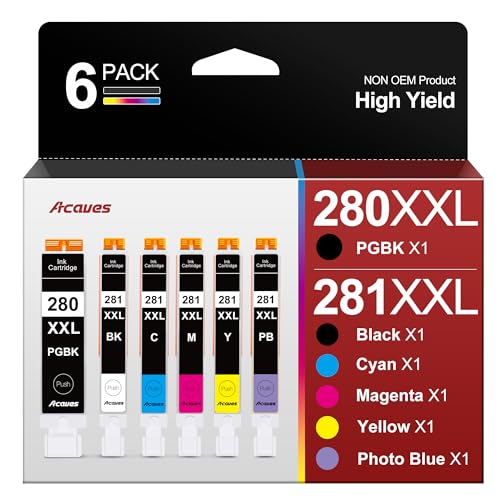
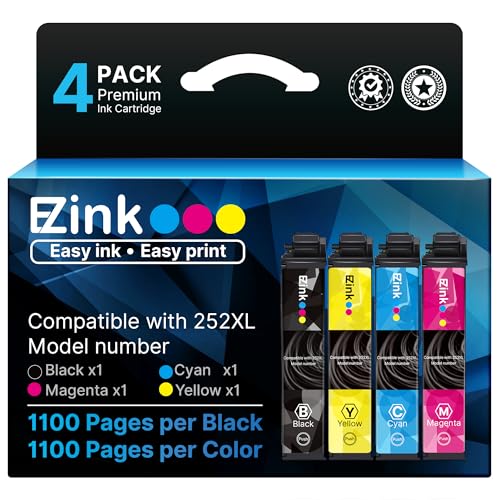
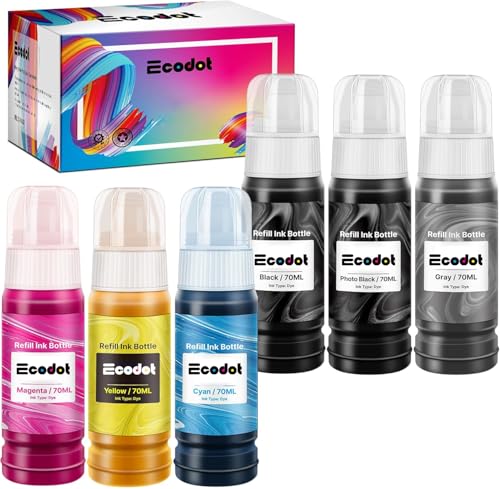
Tank printers win decisively on ongoing ink cost -- the Epson EcoTank ET-2988 includes up to 3 years of ink and refill bottles afterward cost a fraction of equivalent cartridge ink. If you'd rather stick with cartridges, compatible/generic cartridges close most of that cost gap without switching printer types.
Why are laser printers being phased out?
They're not disappearing so much as being marketed less aggressively for home use, since manufacturers profit more from recurring inkjet cartridge and subscription sales than from the comparatively rare toner purchases laser printers require. For home users who print mostly text documents, laser remains one of the lowest total-cost options available.